Attribution Models
Attribution Models Explained: The Complete Guide to Choosing What Actually Works

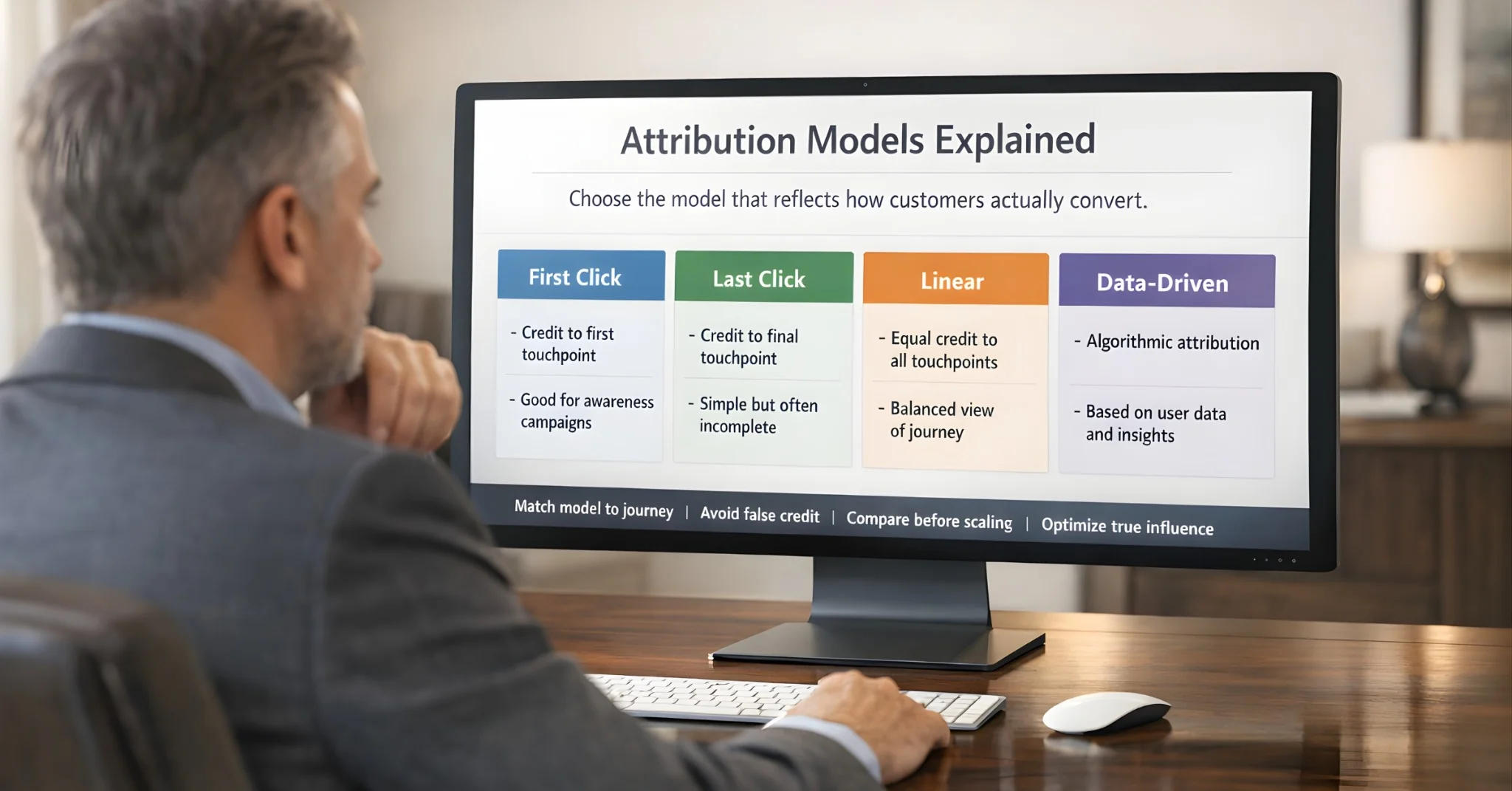
Here's a truth most attribution guides won't tell you: the model you choose matters far less than the data feeding it.
Marketers spend weeks debating first-click versus last-click, linear versus time-decay, single-touch versus multi-touch. Meanwhile, 40-60% of their conversion data never reaches any attribution system at all. They're arguing about how to slice a pie they can only half see.
This guide takes a different approach. We'll cover every major attribution model, when each makes sense, and how to configure them properly. But we'll start where it actually matters: understanding why attribution fails, and how to fix the foundation before choosing a model.
The model is the last decision, not the first.
Why Attribution Models Fail
Before comparing models, understand why they break. Every attribution model — no matter how sophisticated — has the same dependencies:
THE ATTRIBUTION DEPENDENCY CHAIN
════════════════════════════════════════════════════════════════════════════

    STEP 1: TRACKING
    ────────────────
    Can you see the touchpoint?

    If a customer clicks an ad but your tracking doesn't capture it,
    that touchpoint doesn't exist in your attribution data.


    STEP 2: IDENTITY
    ────────────────
    Can you connect touchpoints to the same person?

    Customer sees ad on phone, buys on laptop.
    If you can't link these, you see two people — not one journey.


    STEP 3: ATTRIBUTION
    ───────────────────
    How do you divide credit among touchpoints?

    THIS is where models come in. But models can only work
    with the touchpoints from Steps 1 and 2.


    THE PROBLEM:
    ────────────
    Most brands lose 40-60% of data at Steps 1 and 2.
    Then they obsess over Step 3.

    You're optimizing attribution math on incomplete data.

════════════════════════════════════════════════════════════════════════════
THE ATTRIBUTION DEPENDENCY CHAIN
════════════════════════════════════════════════════════════════════════════

    STEP 1: TRACKING
    ────────────────
    Can you see the touchpoint?

    If a customer clicks an ad but your tracking doesn't capture it,
    that touchpoint doesn't exist in your attribution data.


    STEP 2: IDENTITY
    ────────────────
    Can you connect touchpoints to the same person?

    Customer sees ad on phone, buys on laptop.
    If you can't link these, you see two people — not one journey.


    STEP 3: ATTRIBUTION
    ───────────────────
    How do you divide credit among touchpoints?

    THIS is where models come in. But models can only work
    with the touchpoints from Steps 1 and 2.


    THE PROBLEM:
    ────────────
    Most brands lose 40-60% of data at Steps 1 and 2.
    Then they obsess over Step 3.

    You're optimizing attribution math on incomplete data.

════════════════════════════════════════════════════════════════════════════
THE ATTRIBUTION DEPENDENCY CHAIN
════════════════════════════════════════════════════════════════════════════

    STEP 1: TRACKING
    ────────────────
    Can you see the touchpoint?

    If a customer clicks an ad but your tracking doesn't capture it,
    that touchpoint doesn't exist in your attribution data.


    STEP 2: IDENTITY
    ────────────────
    Can you connect touchpoints to the same person?

    Customer sees ad on phone, buys on laptop.
    If you can't link these, you see two people — not one journey.


    STEP 3: ATTRIBUTION
    ───────────────────
    How do you divide credit among touchpoints?

    THIS is where models come in. But models can only work
    with the touchpoints from Steps 1 and 2.


    THE PROBLEM:
    ────────────
    Most brands lose 40-60% of data at Steps 1 and 2.
    Then they obsess over Step 3.

    You're optimizing attribution math on incomplete data.

════════════════════════════════════════════════════════════════════════════
Where signal loss happens:
iOS privacy opt-outs — 75-85% of iPhone users block tracking
Ad blockers — 30-40% of desktop users run them
Browser restrictions — Safari 7-day cookie cap, Firefox blocking by default
Cross-device journeys — Phone → tablet → laptop purchases
Consent management — GDPR/CCPA reduces trackable events
When your tracking captures only 40-60% of customer journeys, every attribution model — first-click, last-click, linear, or algorithmic — is working with a distorted sample. The model isn't wrong. The input is incomplete.
Fix the data first. Then choose the model.
Attribution Model Categories
All attribution models fall into three categories. Understanding the categories helps you navigate the specific models.
ATTRIBUTION MODEL CATEGORIES
════════════════════════════════════════════════════════════════════════════

    SINGLE-TOUCH MODELS
    ───────────────────
    Give 100% credit to ONE touchpoint.

    Models: First-Click, Last-Click

    Best for: Simple funnels, quick decisions, clear entry/exit points
    Weakness: Ignores the rest of the journey


    MULTI-TOUCH MODELS (MTA)
    ────────────────────────
    Distribute credit across MULTIPLE touchpoints.

    Models: Linear, Time-Decay, Position-Based, Algorithmic

    Best for: Complex journeys, multiple channels, longer sales cycles
    Weakness: Requires more data, harder to interpret


    AGGREGATE MODELS (MMM)
    ──────────────────────
    Analyze total spend vs. total outcomes at the CHANNEL level.

    Models: Marketing Mix Modeling

    Best for: High spend, offline channels, strategic planning
    Weakness: Not granular, requires significant data history

════════════════════════════════════════════════════════════════════════════
ATTRIBUTION MODEL CATEGORIES
════════════════════════════════════════════════════════════════════════════

    SINGLE-TOUCH MODELS
    ───────────────────
    Give 100% credit to ONE touchpoint.

    Models: First-Click, Last-Click

    Best for: Simple funnels, quick decisions, clear entry/exit points
    Weakness: Ignores the rest of the journey


    MULTI-TOUCH MODELS (MTA)
    ────────────────────────
    Distribute credit across MULTIPLE touchpoints.

    Models: Linear, Time-Decay, Position-Based, Algorithmic

    Best for: Complex journeys, multiple channels, longer sales cycles
    Weakness: Requires more data, harder to interpret


    AGGREGATE MODELS (MMM)
    ──────────────────────
    Analyze total spend vs. total outcomes at the CHANNEL level.

    Models: Marketing Mix Modeling

    Best for: High spend, offline channels, strategic planning
    Weakness: Not granular, requires significant data history

════════════════════════════════════════════════════════════════════════════
ATTRIBUTION MODEL CATEGORIES
════════════════════════════════════════════════════════════════════════════

    SINGLE-TOUCH MODELS
    ───────────────────
    Give 100% credit to ONE touchpoint.

    Models: First-Click, Last-Click

    Best for: Simple funnels, quick decisions, clear entry/exit points
    Weakness: Ignores the rest of the journey


    MULTI-TOUCH MODELS (MTA)
    ────────────────────────
    Distribute credit across MULTIPLE touchpoints.

    Models: Linear, Time-Decay, Position-Based, Algorithmic

    Best for: Complex journeys, multiple channels, longer sales cycles
    Weakness: Requires more data, harder to interpret


    AGGREGATE MODELS (MMM)
    ──────────────────────
    Analyze total spend vs. total outcomes at the CHANNEL level.

    Models: Marketing Mix Modeling

    Best for: High spend, offline channels, strategic planning
    Weakness: Not granular, requires significant data history

════════════════════════════════════════════════════════════════════════════
Most ecommerce brands should start with single-touch for simplicity, then graduate to multi-touch as they scale. MMM is typically reserved for brands spending $500K+ monthly who need strategic-level insights.
Single-Touch Attribution Models
Single-touch models assign 100% of conversion credit to one touchpoint. Simple, but limited.
First-Click Attribution
The first touchpoint a customer interacts with gets all the credit.
FIRST-CLICK ATTRIBUTION
════════════════════════════════════════════════════════════════════════════

    CUSTOMER JOURNEY:
    ─────────────────

    TikTok Ad → Google Search → Email → Meta Retargeting → Purchase
        ↑
      100% credit


    WHAT IT TELLS YOU:
    ──────────────────
    Which channels INTRODUCE customers to your brand.
    Where awareness and discovery happen.
    Top-of-funnel effectiveness.


    BEST FOR:
    ─────────
    • Brands focused on customer acquisition
    • Understanding which channels create demand
    • Evaluating prospecting campaigns
    • Measuring brand awareness efforts


    LIMITATIONS:
    ────────────
    • Ignores everything after first touch
    • Overvalues awareness, undervalues conversion
    • Doesn't reflect complex buying journeys
    • Can inflate credit for low-intent channels

════════════════════════════════════════════════════════════════════════════
FIRST-CLICK ATTRIBUTION
════════════════════════════════════════════════════════════════════════════

    CUSTOMER JOURNEY:
    ─────────────────

    TikTok Ad → Google Search → Email → Meta Retargeting → Purchase
        ↑
      100% credit


    WHAT IT TELLS YOU:
    ──────────────────
    Which channels INTRODUCE customers to your brand.
    Where awareness and discovery happen.
    Top-of-funnel effectiveness.


    BEST FOR:
    ─────────
    • Brands focused on customer acquisition
    • Understanding which channels create demand
    • Evaluating prospecting campaigns
    • Measuring brand awareness efforts


    LIMITATIONS:
    ────────────
    • Ignores everything after first touch
    • Overvalues awareness, undervalues conversion
    • Doesn't reflect complex buying journeys
    • Can inflate credit for low-intent channels

════════════════════════════════════════════════════════════════════════════
FIRST-CLICK ATTRIBUTION
════════════════════════════════════════════════════════════════════════════

    CUSTOMER JOURNEY:
    ─────────────────

    TikTok Ad → Google Search → Email → Meta Retargeting → Purchase
        ↑
      100% credit


    WHAT IT TELLS YOU:
    ──────────────────
    Which channels INTRODUCE customers to your brand.
    Where awareness and discovery happen.
    Top-of-funnel effectiveness.


    BEST FOR:
    ─────────
    • Brands focused on customer acquisition
    • Understanding which channels create demand
    • Evaluating prospecting campaigns
    • Measuring brand awareness efforts


    LIMITATIONS:
    ────────────
    • Ignores everything after first touch
    • Overvalues awareness, undervalues conversion
    • Doesn't reflect complex buying journeys
    • Can inflate credit for low-intent channels

════════════════════════════════════════════════════════════════════════════
When to use First-Click: When your primary goal is understanding which channels are introducing new customers to your brand. Useful for evaluating prospecting campaigns and top-of-funnel investments.
Last-Click Attribution
The final touchpoint before conversion gets all the credit.
LAST-CLICK ATTRIBUTION
════════════════════════════════════════════════════════════════════════════

    CUSTOMER JOURNEY:
    ─────────────────

    TikTok Ad → Google Search → Email → Meta Retargeting → Purchase
                                              ↑
                                          100% credit


    WHAT IT TELLS YOU:
    ──────────────────
    Which channels CLOSE the sale.
    What pushes customers over the finish line.
    Bottom-of-funnel effectiveness.


    BEST FOR:
    ─────────
    • Direct response campaigns
    • Understanding conversion drivers
    • Evaluating retargeting performance
    • Short sales cycles


    LIMITATIONS:
    ────────────
    • Ignores everything before last touch
    • Overvalues retargeting and branded search
    • Undervalues demand-creation channels
    • Can lead to cutting prospecting too aggressively

════════════════════════════════════════════════════════════════════════════
LAST-CLICK ATTRIBUTION
════════════════════════════════════════════════════════════════════════════

    CUSTOMER JOURNEY:
    ─────────────────

    TikTok Ad → Google Search → Email → Meta Retargeting → Purchase
                                              ↑
                                          100% credit


    WHAT IT TELLS YOU:
    ──────────────────
    Which channels CLOSE the sale.
    What pushes customers over the finish line.
    Bottom-of-funnel effectiveness.


    BEST FOR:
    ─────────
    • Direct response campaigns
    • Understanding conversion drivers
    • Evaluating retargeting performance
    • Short sales cycles


    LIMITATIONS:
    ────────────
    • Ignores everything before last touch
    • Overvalues retargeting and branded search
    • Undervalues demand-creation channels
    • Can lead to cutting prospecting too aggressively

════════════════════════════════════════════════════════════════════════════
LAST-CLICK ATTRIBUTION
════════════════════════════════════════════════════════════════════════════

    CUSTOMER JOURNEY:
    ─────────────────

    TikTok Ad → Google Search → Email → Meta Retargeting → Purchase
                                              ↑
                                          100% credit


    WHAT IT TELLS YOU:
    ──────────────────
    Which channels CLOSE the sale.
    What pushes customers over the finish line.
    Bottom-of-funnel effectiveness.


    BEST FOR:
    ─────────
    • Direct response campaigns
    • Understanding conversion drivers
    • Evaluating retargeting performance
    • Short sales cycles


    LIMITATIONS:
    ────────────
    • Ignores everything before last touch
    • Overvalues retargeting and branded search
    • Undervalues demand-creation channels
    • Can lead to cutting prospecting too aggressively

════════════════════════════════════════════════════════════════════════════
When to use Last-Click: When you need to understand which channels are closing sales. Good for evaluating retargeting campaigns and conversion optimization. But be careful — last-click often over-credits channels that only show up at the end (like branded search and retargeting).
The Single-Touch Trap
The danger of single-touch attribution is making channel decisions based on incomplete pictures.
THE SINGLE-TOUCH TRAP
════════════════════════════════════════════════════════════════════════════

    SCENARIO:
    ─────────
    Your First-Click data shows TikTok drives 40% of new customers.
    Your Last-Click data shows Google Brand drives 60% of conversions.


    WHAT ACTUALLY HAPPENED:
    ───────────────────────
    Customer sees TikTok ad (creates awareness)
        ↓
    Customer searches brand on Google (already aware)
        ↓
    Customer buys


    THE TRAP:
    ─────────
    • First-Click says: "TikTok is amazing, scale it!"
    • Last-Click says: "Google Brand is our best channel, increase budget!"

    Both are partially right. Neither tells the full story.

    If you cut TikTok based on Last-Click data, Google Brand
    searches drop — because nobody knows your brand anymore.

════════════════════════════════════════════════════════════════════════════
THE SINGLE-TOUCH TRAP
════════════════════════════════════════════════════════════════════════════

    SCENARIO:
    ─────────
    Your First-Click data shows TikTok drives 40% of new customers.
    Your Last-Click data shows Google Brand drives 60% of conversions.


    WHAT ACTUALLY HAPPENED:
    ───────────────────────
    Customer sees TikTok ad (creates awareness)
        ↓
    Customer searches brand on Google (already aware)
        ↓
    Customer buys


    THE TRAP:
    ─────────
    • First-Click says: "TikTok is amazing, scale it!"
    • Last-Click says: "Google Brand is our best channel, increase budget!"

    Both are partially right. Neither tells the full story.

    If you cut TikTok based on Last-Click data, Google Brand
    searches drop — because nobody knows your brand anymore.

════════════════════════════════════════════════════════════════════════════
THE SINGLE-TOUCH TRAP
════════════════════════════════════════════════════════════════════════════

    SCENARIO:
    ─────────
    Your First-Click data shows TikTok drives 40% of new customers.
    Your Last-Click data shows Google Brand drives 60% of conversions.


    WHAT ACTUALLY HAPPENED:
    ───────────────────────
    Customer sees TikTok ad (creates awareness)
        ↓
    Customer searches brand on Google (already aware)
        ↓
    Customer buys


    THE TRAP:
    ─────────
    • First-Click says: "TikTok is amazing, scale it!"
    • Last-Click says: "Google Brand is our best channel, increase budget!"

    Both are partially right. Neither tells the full story.

    If you cut TikTok based on Last-Click data, Google Brand
    searches drop — because nobody knows your brand anymore.

════════════════════════════════════════════════════════════════════════════
Single-touch models are useful starting points, but they tell incomplete stories. Most brands should evolve to multi-touch attribution as they scale.
Multi-Touch Attribution Models
Multi-touch attribution (MTA) distributes credit across multiple touchpoints. More accurate for complex journeys, but harder to interpret. For a deeper view across platforms specifically, see a related guide on cross channel attribution covering how Meta, Google, and TikTok credit overlap distorts decisions.
Linear Attribution
Every touchpoint in the journey receives equal credit.
LINEAR ATTRIBUTION
════════════════════════════════════════════════════════════════════════════

    CUSTOMER JOURNEY (4 touchpoints, $100 purchase):
    ────────────────────────────────────────────────

    TikTok Ad → Google Search → Email → Meta Retargeting → Purchase
       $25          $25          $25         $25


    WHAT IT TELLS YOU:
    ──────────────────
    All touchpoints contributed equally.
    No touchpoint is more important than others.


    BEST FOR:
    ─────────
    • Brands new to multi-touch attribution
    • Understanding full-funnel contribution
    • When you don't have enough data for algorithmic models
    • Long sales cycles with many touchpoints


    VARIATIONS:
    ───────────
    • Linear (All): Includes organic and direct traffic
    • Linear (Paid): Only paid touchpoints receive credit


    LIMITATIONS:
    ────────────
    • Treats all touchpoints as equally important
    • The first touch isn't always as valuable as the closing touch
    • Can dilute insights when many touchpoints exist

════════════════════════════════════════════════════════════════════════════
LINEAR ATTRIBUTION
════════════════════════════════════════════════════════════════════════════

    CUSTOMER JOURNEY (4 touchpoints, $100 purchase):
    ────────────────────────────────────────────────

    TikTok Ad → Google Search → Email → Meta Retargeting → Purchase
       $25          $25          $25         $25


    WHAT IT TELLS YOU:
    ──────────────────
    All touchpoints contributed equally.
    No touchpoint is more important than others.


    BEST FOR:
    ─────────
    • Brands new to multi-touch attribution
    • Understanding full-funnel contribution
    • When you don't have enough data for algorithmic models
    • Long sales cycles with many touchpoints


    VARIATIONS:
    ───────────
    • Linear (All): Includes organic and direct traffic
    • Linear (Paid): Only paid touchpoints receive credit


    LIMITATIONS:
    ────────────
    • Treats all touchpoints as equally important
    • The first touch isn't always as valuable as the closing touch
    • Can dilute insights when many touchpoints exist

════════════════════════════════════════════════════════════════════════════
LINEAR ATTRIBUTION
════════════════════════════════════════════════════════════════════════════

    CUSTOMER JOURNEY (4 touchpoints, $100 purchase):
    ────────────────────────────────────────────────

    TikTok Ad → Google Search → Email → Meta Retargeting → Purchase
       $25          $25          $25         $25


    WHAT IT TELLS YOU:
    ──────────────────
    All touchpoints contributed equally.
    No touchpoint is more important than others.


    BEST FOR:
    ─────────
    • Brands new to multi-touch attribution
    • Understanding full-funnel contribution
    • When you don't have enough data for algorithmic models
    • Long sales cycles with many touchpoints


    VARIATIONS:
    ───────────
    • Linear (All): Includes organic and direct traffic
    • Linear (Paid): Only paid touchpoints receive credit


    LIMITATIONS:
    ────────────
    • Treats all touchpoints as equally important
    • The first touch isn't always as valuable as the closing touch
    • Can dilute insights when many touchpoints exist

════════════════════════════════════════════════════════════════════════════
When to use Linear: When you're transitioning from single-touch and want a simple multi-touch model. Good starting point before moving to more sophisticated models.
Time-Decay Attribution
Touchpoints closer to conversion receive more credit. Earlier touchpoints receive less.
TIME-DECAY ATTRIBUTION
════════════════════════════════════════════════════════════════════════════

    CUSTOMER JOURNEY (4 touchpoints, $100 purchase):
    ────────────────────────────────────────────────

    TikTok Ad → Google Search → Email → Meta Retargeting → Purchase
       $10          $15          $25         $50

    (Credit increases as touchpoints get closer to conversion)


    WHAT IT TELLS YOU:
    ──────────────────
    Recent touchpoints had more influence on the purchase decision.
    Earlier touchpoints planted seeds but didn't close.


    BEST FOR:
    ─────────
    • Short sales cycles (1-14 days)
    • Promotional campaigns with clear urgency
    • When recent interactions matter most
    • Flash sales and limited-time offers


    LIMITATIONS:
    ────────────
    • Undervalues demand creation and awareness
    • May underinvest in prospecting over time
    • Assumes recency = importance (not always true)

════════════════════════════════════════════════════════════════════════════
TIME-DECAY ATTRIBUTION
════════════════════════════════════════════════════════════════════════════

    CUSTOMER JOURNEY (4 touchpoints, $100 purchase):
    ────────────────────────────────────────────────

    TikTok Ad → Google Search → Email → Meta Retargeting → Purchase
       $10          $15          $25         $50

    (Credit increases as touchpoints get closer to conversion)


    WHAT IT TELLS YOU:
    ──────────────────
    Recent touchpoints had more influence on the purchase decision.
    Earlier touchpoints planted seeds but didn't close.


    BEST FOR:
    ─────────
    • Short sales cycles (1-14 days)
    • Promotional campaigns with clear urgency
    • When recent interactions matter most
    • Flash sales and limited-time offers


    LIMITATIONS:
    ────────────
    • Undervalues demand creation and awareness
    • May underinvest in prospecting over time
    • Assumes recency = importance (not always true)

════════════════════════════════════════════════════════════════════════════
TIME-DECAY ATTRIBUTION
════════════════════════════════════════════════════════════════════════════

    CUSTOMER JOURNEY (4 touchpoints, $100 purchase):
    ────────────────────────────────────────────────

    TikTok Ad → Google Search → Email → Meta Retargeting → Purchase
       $10          $15          $25         $50

    (Credit increases as touchpoints get closer to conversion)


    WHAT IT TELLS YOU:
    ──────────────────
    Recent touchpoints had more influence on the purchase decision.
    Earlier touchpoints planted seeds but didn't close.


    BEST FOR:
    ─────────
    • Short sales cycles (1-14 days)
    • Promotional campaigns with clear urgency
    • When recent interactions matter most
    • Flash sales and limited-time offers


    LIMITATIONS:
    ────────────
    • Undervalues demand creation and awareness
    • May underinvest in prospecting over time
    • Assumes recency = importance (not always true)

════════════════════════════════════════════════════════════════════════════
When to use Time-Decay: When your business has short sales cycles and recent touchpoints genuinely matter more. Good for promotions, flash sales, and time-sensitive campaigns.
Position-Based (U-Shaped) Attribution
First and last touchpoints receive the most credit (typically 40% each). Middle touchpoints share the remaining 20%.
POSITION-BASED ATTRIBUTION
════════════════════════════════════════════════════════════════════════════

    CUSTOMER JOURNEY (4 touchpoints, $100 purchase):
    ────────────────────────────────────────────────

    TikTok Ad → Google Search → Email → Meta Retargeting → Purchase
       $40          $10          $10         $40

    (40% first, 40% last, 20% split among middle)


    WHAT IT TELLS YOU:
    ──────────────────
    Introduction and conversion are most important.
    Middle touchpoints assist but don't drive outcomes.


    BEST FOR:
    ─────────
    • Balancing acquisition and conversion priorities
    • When first and last touch are genuinely most important
    • Brands that value both awareness and closing


    LIMITATIONS:
    ────────────
    • Arbitrary 40/40/20 split may not reflect reality
    • Undervalues nurturing touchpoints (email sequences, etc.)
    • Assumes first touch is always significant

════════════════════════════════════════════════════════════════════════════
POSITION-BASED ATTRIBUTION
════════════════════════════════════════════════════════════════════════════

    CUSTOMER JOURNEY (4 touchpoints, $100 purchase):
    ────────────────────────────────────────────────

    TikTok Ad → Google Search → Email → Meta Retargeting → Purchase
       $40          $10          $10         $40

    (40% first, 40% last, 20% split among middle)


    WHAT IT TELLS YOU:
    ──────────────────
    Introduction and conversion are most important.
    Middle touchpoints assist but don't drive outcomes.


    BEST FOR:
    ─────────
    • Balancing acquisition and conversion priorities
    • When first and last touch are genuinely most important
    • Brands that value both awareness and closing


    LIMITATIONS:
    ────────────
    • Arbitrary 40/40/20 split may not reflect reality
    • Undervalues nurturing touchpoints (email sequences, etc.)
    • Assumes first touch is always significant

════════════════════════════════════════════════════════════════════════════
POSITION-BASED ATTRIBUTION
════════════════════════════════════════════════════════════════════════════

    CUSTOMER JOURNEY (4 touchpoints, $100 purchase):
    ────────────────────────────────────────────────

    TikTok Ad → Google Search → Email → Meta Retargeting → Purchase
       $40          $10          $10         $40

    (40% first, 40% last, 20% split among middle)


    WHAT IT TELLS YOU:
    ──────────────────
    Introduction and conversion are most important.
    Middle touchpoints assist but don't drive outcomes.


    BEST FOR:
    ─────────
    • Balancing acquisition and conversion priorities
    • When first and last touch are genuinely most important
    • Brands that value both awareness and closing


    LIMITATIONS:
    ────────────
    • Arbitrary 40/40/20 split may not reflect reality
    • Undervalues nurturing touchpoints (email sequences, etc.)
    • Assumes first touch is always significant

════════════════════════════════════════════════════════════════════════════
When to use Position-Based: When you want to balance credit between demand creation (first touch) and conversion (last touch). Good for brands that invest heavily in both prospecting and retargeting.
Algorithmic (Data-Driven) Attribution
Machine learning analyzes your actual data to determine how much credit each touchpoint deserves.
ALGORITHMIC ATTRIBUTION
════════════════════════════════════════════════════════════════════════════

    HOW IT WORKS:
    ─────────────
    Analyzes thousands of customer journeys.
    Identifies which touchpoint patterns lead to conversions.
    Assigns credit based on actual impact, not rules.


    CUSTOMER JOURNEY (4 touchpoints, $100 purchase):
    ────────────────────────────────────────────────

    TikTok Ad → Google Search → Email → Meta Retargeting → Purchase
       $35          $5           $40         $20

    (Credit based on what the algorithm learned drives conversions)


    BEST FOR:
    ─────────
    • Brands with significant data volume (1,000+ conversions/month)
    • Complex, multi-channel marketing strategies
    • When you want attribution to learn from YOUR customers
    • Brands ready to invest in sophisticated measurement


    DATA REQUIREMENTS:
    ──────────────────
    • Minimum 1,000 conversions per month (ideally 5,000+)
    • At least 30-60 days of clean data
    • Consistent tracking across all channels
    • Quality signal (40-60% data loss breaks this model)


    LIMITATIONS:
    ────────────
    • Requires significant data volume
    • "Black box" — hard to explain why credit is assigned
    • Only as good as the data feeding it
    • Garbage in, garbage out

════════════════════════════════════════════════════════════════════════════
ALGORITHMIC ATTRIBUTION
════════════════════════════════════════════════════════════════════════════

    HOW IT WORKS:
    ─────────────
    Analyzes thousands of customer journeys.
    Identifies which touchpoint patterns lead to conversions.
    Assigns credit based on actual impact, not rules.


    CUSTOMER JOURNEY (4 touchpoints, $100 purchase):
    ────────────────────────────────────────────────

    TikTok Ad → Google Search → Email → Meta Retargeting → Purchase
       $35          $5           $40         $20

    (Credit based on what the algorithm learned drives conversions)


    BEST FOR:
    ─────────
    • Brands with significant data volume (1,000+ conversions/month)
    • Complex, multi-channel marketing strategies
    • When you want attribution to learn from YOUR customers
    • Brands ready to invest in sophisticated measurement


    DATA REQUIREMENTS:
    ──────────────────
    • Minimum 1,000 conversions per month (ideally 5,000+)
    • At least 30-60 days of clean data
    • Consistent tracking across all channels
    • Quality signal (40-60% data loss breaks this model)


    LIMITATIONS:
    ────────────
    • Requires significant data volume
    • "Black box" — hard to explain why credit is assigned
    • Only as good as the data feeding it
    • Garbage in, garbage out

════════════════════════════════════════════════════════════════════════════
ALGORITHMIC ATTRIBUTION
════════════════════════════════════════════════════════════════════════════

    HOW IT WORKS:
    ─────────────
    Analyzes thousands of customer journeys.
    Identifies which touchpoint patterns lead to conversions.
    Assigns credit based on actual impact, not rules.


    CUSTOMER JOURNEY (4 touchpoints, $100 purchase):
    ────────────────────────────────────────────────

    TikTok Ad → Google Search → Email → Meta Retargeting → Purchase
       $35          $5           $40         $20

    (Credit based on what the algorithm learned drives conversions)


    BEST FOR:
    ─────────
    • Brands with significant data volume (1,000+ conversions/month)
    • Complex, multi-channel marketing strategies
    • When you want attribution to learn from YOUR customers
    • Brands ready to invest in sophisticated measurement


    DATA REQUIREMENTS:
    ──────────────────
    • Minimum 1,000 conversions per month (ideally 5,000+)
    • At least 30-60 days of clean data
    • Consistent tracking across all channels
    • Quality signal (40-60% data loss breaks this model)


    LIMITATIONS:
    ────────────
    • Requires significant data volume
    • "Black box" — hard to explain why credit is assigned
    • Only as good as the data feeding it
    • Garbage in, garbage out

════════════════════════════════════════════════════════════════════════════
When to use Algorithmic: When you have enough data volume and clean tracking. This is the "graduate level" of attribution — powerful, but requires the right foundation.
Marketing Mix Modeling (MMM)
Marketing Mix Modeling takes a different approach entirely. Instead of tracking individual customer journeys, it analyzes aggregate spend vs. aggregate outcomes.
MARKETING MIX MODELING
════════════════════════════════════════════════════════════════════════════

    HOW IT WORKS:
    ─────────────
    Statistical analysis of:
    • Total spend per channel over time
    • Total revenue over time
    • External factors (seasonality, economy, competitors)

    Determines correlation between spend changes and revenue changes.


    WHAT IT TELLS YOU:
    ──────────────────
    • How much revenue each channel drives at the aggregate level
    • Optimal budget allocation across channels
    • Diminishing returns curves per channel
    • Impact of offline channels (TV, radio, print)


    BEST FOR:
    ─────────
    • Brands spending $100K+/month in marketing
      • Multi-channel complexity (even at lower spend)
    • Brands with offline channels
    • Strategic budget allocation decisions
    • When individual tracking is unreliable (privacy era)


    2026 ACCESSIBILITY:
    ───────────────────
    MMM is no longer just for enterprise giants.

    Open-source tools:
    • Meta's Robyn
    • Google's LightweightMMM
    • PyMC-Marketing

    SaaS platforms have lowered the barrier further.
    Brands at $50K-$100K/month are now using MMM
    to fight cookie-less tracking issues.


    REQUIREMENTS:
    ─────────────
    • 12-24 months of historical data (ideally)
    • Spend variation to detect patterns
    • Channel-level spend and revenue data


    LIMITATIONS:
    ────────────
    • Not granular (channel-level, not ad-level)
    • Backward-looking, not real-time
    • Can't optimize individual campaigns
    • Requires sufficient data history

════════════════════════════════════════════════════════════════════════════
MARKETING MIX MODELING
════════════════════════════════════════════════════════════════════════════

    HOW IT WORKS:
    ─────────────
    Statistical analysis of:
    • Total spend per channel over time
    • Total revenue over time
    • External factors (seasonality, economy, competitors)

    Determines correlation between spend changes and revenue changes.


    WHAT IT TELLS YOU:
    ──────────────────
    • How much revenue each channel drives at the aggregate level
    • Optimal budget allocation across channels
    • Diminishing returns curves per channel
    • Impact of offline channels (TV, radio, print)


    BEST FOR:
    ─────────
    • Brands spending $100K+/month in marketing
      • Multi-channel complexity (even at lower spend)
    • Brands with offline channels
    • Strategic budget allocation decisions
    • When individual tracking is unreliable (privacy era)


    2026 ACCESSIBILITY:
    ───────────────────
    MMM is no longer just for enterprise giants.

    Open-source tools:
    • Meta's Robyn
    • Google's LightweightMMM
    • PyMC-Marketing

    SaaS platforms have lowered the barrier further.
    Brands at $50K-$100K/month are now using MMM
    to fight cookie-less tracking issues.


    REQUIREMENTS:
    ─────────────
    • 12-24 months of historical data (ideally)
    • Spend variation to detect patterns
    • Channel-level spend and revenue data


    LIMITATIONS:
    ────────────
    • Not granular (channel-level, not ad-level)
    • Backward-looking, not real-time
    • Can't optimize individual campaigns
    • Requires sufficient data history

════════════════════════════════════════════════════════════════════════════
MARKETING MIX MODELING
════════════════════════════════════════════════════════════════════════════

    HOW IT WORKS:
    ─────────────
    Statistical analysis of:
    • Total spend per channel over time
    • Total revenue over time
    • External factors (seasonality, economy, competitors)

    Determines correlation between spend changes and revenue changes.


    WHAT IT TELLS YOU:
    ──────────────────
    • How much revenue each channel drives at the aggregate level
    • Optimal budget allocation across channels
    • Diminishing returns curves per channel
    • Impact of offline channels (TV, radio, print)


    BEST FOR:
    ─────────
    • Brands spending $100K+/month in marketing
      • Multi-channel complexity (even at lower spend)
    • Brands with offline channels
    • Strategic budget allocation decisions
    • When individual tracking is unreliable (privacy era)


    2026 ACCESSIBILITY:
    ───────────────────
    MMM is no longer just for enterprise giants.

    Open-source tools:
    • Meta's Robyn
    • Google's LightweightMMM
    • PyMC-Marketing

    SaaS platforms have lowered the barrier further.
    Brands at $50K-$100K/month are now using MMM
    to fight cookie-less tracking issues.


    REQUIREMENTS:
    ─────────────
    • 12-24 months of historical data (ideally)
    • Spend variation to detect patterns
    • Channel-level spend and revenue data


    LIMITATIONS:
    ────────────
    • Not granular (channel-level, not ad-level)
    • Backward-looking, not real-time
    • Can't optimize individual campaigns
    • Requires sufficient data history

════════════════════════════════════════════════════════════════════════════
When to use MMM: For strategic planning and budget allocation at the channel level. Increasingly accessible for mid-size brands who need to understand channel-level efficiency in the privacy-first era.
The Hybrid Approach: MTA + MMM
The most sophisticated brands use both MTA and MMM together.
MTA + MMM HYBRID APPROACH
════════════════════════════════════════════════════════════════════════════

    USE MMM FOR:
    ────────────
    • Strategic budget allocation across channels
    • Understanding channel-level efficiency
    • Including offline channels
    • Quarterly/annual planning


    USE MTA FOR:
    ────────────
    • Tactical campaign optimization
    • Creative and ad-level decisions
    • Real-time performance monitoring
    • Day-to-day budget adjustments


    HOW THEY COMPLEMENT:
    ────────────────────

    MMM says: "Meta should get 40% of your budget based on efficiency"

    MTA says: "Within Meta, these 3 campaigns are driving results,
              these 2 should be paused"

    MMM = Strategic direction
    MTA = Tactical execution

════════════════════════════════════════════════════════════════════════════
MTA + MMM HYBRID APPROACH
════════════════════════════════════════════════════════════════════════════

    USE MMM FOR:
    ────────────
    • Strategic budget allocation across channels
    • Understanding channel-level efficiency
    • Including offline channels
    • Quarterly/annual planning


    USE MTA FOR:
    ────────────
    • Tactical campaign optimization
    • Creative and ad-level decisions
    • Real-time performance monitoring
    • Day-to-day budget adjustments


    HOW THEY COMPLEMENT:
    ────────────────────

    MMM says: "Meta should get 40% of your budget based on efficiency"

    MTA says: "Within Meta, these 3 campaigns are driving results,
              these 2 should be paused"

    MMM = Strategic direction
    MTA = Tactical execution

════════════════════════════════════════════════════════════════════════════
MTA + MMM HYBRID APPROACH
════════════════════════════════════════════════════════════════════════════

    USE MMM FOR:
    ────────────
    • Strategic budget allocation across channels
    • Understanding channel-level efficiency
    • Including offline channels
    • Quarterly/annual planning


    USE MTA FOR:
    ────────────
    • Tactical campaign optimization
    • Creative and ad-level decisions
    • Real-time performance monitoring
    • Day-to-day budget adjustments


    HOW THEY COMPLEMENT:
    ────────────────────

    MMM says: "Meta should get 40% of your budget based on efficiency"

    MTA says: "Within Meta, these 3 campaigns are driving results,
              these 2 should be paused"

    MMM = Strategic direction
    MTA = Tactical execution

════════════════════════════════════════════════════════════════════════════
View-Through Attribution: The Over-Attribution Trap
In 2026, Meta and TikTok rely heavily on "view-through" attribution — claiming credit when someone sees an ad (without clicking) and later converts. This is where most over-attribution happens.
VIEW-THROUGH vs. CLICK-THROUGH ATTRIBUTION
════════════════════════════════════════════════════════════════════════════

    CLICK-THROUGH (Safer):
    ───────────────────────
    Customer CLICKS ad → Later purchases

    Credit is more defensible. The customer took an action.


    VIEW-THROUGH (Risky):
    ─────────────────────
    Customer SEES ad (no click) → Later purchases

    Platform claims credit for the "view."
    But would they have bought anyway?


    THE OVER-ATTRIBUTION PROBLEM:
    ─────────────────────────────

    Platform reports:     500 conversions
    Click-through only:   180 conversions
    View-through:         320 conversions

    Are those 320 "view" conversions incremental?
    Or would those customers have bought regardless?

    Often, view-through claims credit for customers
    who were already going to purchase.

════════════════════════════════════════════════════════════════════════════

    ⚠️  WARNING: 1-DAY VIEW-THROUGH CREDIT
    ──────────────────────────────────────

    Meta's default includes 1-day view attribution.
    TikTok does the same.

    This often inflates reported conversions by 30-50%+
    compared to click-only attribution.


    HOW TO AUDIT:
    ─────────────
    1. Pull platform-reported "Total Conversions"
    2. Pull platform-reported "Click-Only Conversions"
    3. Compare the gap

    If view-through is 2-3x your click-through conversions,
    be skeptical. Reconcile against backend data.

════════════════════════════════════════════════════════════════════════════
VIEW-THROUGH vs. CLICK-THROUGH ATTRIBUTION
════════════════════════════════════════════════════════════════════════════

    CLICK-THROUGH (Safer):
    ───────────────────────
    Customer CLICKS ad → Later purchases

    Credit is more defensible. The customer took an action.


    VIEW-THROUGH (Risky):
    ─────────────────────
    Customer SEES ad (no click) → Later purchases

    Platform claims credit for the "view."
    But would they have bought anyway?


    THE OVER-ATTRIBUTION PROBLEM:
    ─────────────────────────────

    Platform reports:     500 conversions
    Click-through only:   180 conversions
    View-through:         320 conversions

    Are those 320 "view" conversions incremental?
    Or would those customers have bought regardless?

    Often, view-through claims credit for customers
    who were already going to purchase.

════════════════════════════════════════════════════════════════════════════

    ⚠️  WARNING: 1-DAY VIEW-THROUGH CREDIT
    ──────────────────────────────────────

    Meta's default includes 1-day view attribution.
    TikTok does the same.

    This often inflates reported conversions by 30-50%+
    compared to click-only attribution.


    HOW TO AUDIT:
    ─────────────
    1. Pull platform-reported "Total Conversions"
    2. Pull platform-reported "Click-Only Conversions"
    3. Compare the gap

    If view-through is 2-3x your click-through conversions,
    be skeptical. Reconcile against backend data.

════════════════════════════════════════════════════════════════════════════
VIEW-THROUGH vs. CLICK-THROUGH ATTRIBUTION
════════════════════════════════════════════════════════════════════════════

    CLICK-THROUGH (Safer):
    ───────────────────────
    Customer CLICKS ad → Later purchases

    Credit is more defensible. The customer took an action.


    VIEW-THROUGH (Risky):
    ─────────────────────
    Customer SEES ad (no click) → Later purchases

    Platform claims credit for the "view."
    But would they have bought anyway?


    THE OVER-ATTRIBUTION PROBLEM:
    ─────────────────────────────

    Platform reports:     500 conversions
    Click-through only:   180 conversions
    View-through:         320 conversions

    Are those 320 "view" conversions incremental?
    Or would those customers have bought regardless?

    Often, view-through claims credit for customers
    who were already going to purchase.

════════════════════════════════════════════════════════════════════════════

    ⚠️  WARNING: 1-DAY VIEW-THROUGH CREDIT
    ──────────────────────────────────────

    Meta's default includes 1-day view attribution.
    TikTok does the same.

    This often inflates reported conversions by 30-50%+
    compared to click-only attribution.


    HOW TO AUDIT:
    ─────────────
    1. Pull platform-reported "Total Conversions"
    2. Pull platform-reported "Click-Only Conversions"
    3. Compare the gap

    If view-through is 2-3x your click-through conversions,
    be skeptical. Reconcile against backend data.

════════════════════════════════════════════════════════════════════════════
The fix: Always know what percentage of your reported conversions are view-through vs. click-through. View-through has value for brand awareness, but it shouldn't be treated as equivalent to a click conversion for optimization decisions.
Incrementality: The Gold Standard
Attribution tells you what happened. Incrementality tells you what wouldn't have happened without the ad. This is the difference between correlation and causation.
INCREMENTALITY TESTING
════════════════════════════════════════════════════════════════════════════

    THE CONCEPT:
    ────────────
    Attribution: "This channel touched the customer before purchase"
    Incrementality: "This channel CAUSED the purchase to happen"

    A channel can get attribution credit for sales that
    would have happened anyway. Incrementality measures
    the TRUE lift.


    HOW IT WORKS (Holdout Test):
    ────────────────────────────

    1. SPLIT your audience randomly:
       • Test Group: Sees your ads (80%)
       • Control Group: Sees NO ads (20%)

    2. MEASURE conversions in both groups

    3. CALCULATE incremental lift:

       Test Group CVR:      2.5%
       Control Group CVR:   1.8%

       Incremental Lift = (2.5% - 1.8%) / 1.8% = 39%

       Only 39% of conversions were CAUSED by the ads.
       61% would have happened anyway.


    WHY IT MATTERS:
    ───────────────
    Your attribution model might show 100 conversions.
    Incrementality testing might reveal only 40 were incremental.

    You're paying for 100 but only getting 40 that wouldn't
    have happened otherwise.

════════════════════════════════════════════════════════════════════════════

    WHEN TO USE INCREMENTALITY TESTING:
    ────────────────────────────────────

    • Validating your attribution model's accuracy
    • Evaluating retargeting (often low incrementality)
    • Measuring brand campaigns
    • Justifying budget to leadership
    • Before scaling a channel significantly


    PLATFORMS WITH BUILT-IN LIFT TESTING:
    ─────────────────────────────────────
    • Meta: Conversion Lift Studies
    • Google: Brand Lift / Conversion Lift
    • TikTok: Brand Lift Studies


    THE 2026 GOLD STANDARD:
    ───────────────────────
    Best-in-class brands use BOTH attribution AND incrementality:

    • Attribution for daily optimization
    • Incrementality for validation and strategic decisions

════════════════════════════════════════════════════════════════════════════
INCREMENTALITY TESTING
════════════════════════════════════════════════════════════════════════════

    THE CONCEPT:
    ────────────
    Attribution: "This channel touched the customer before purchase"
    Incrementality: "This channel CAUSED the purchase to happen"

    A channel can get attribution credit for sales that
    would have happened anyway. Incrementality measures
    the TRUE lift.


    HOW IT WORKS (Holdout Test):
    ────────────────────────────

    1. SPLIT your audience randomly:
       • Test Group: Sees your ads (80%)
       • Control Group: Sees NO ads (20%)

    2. MEASURE conversions in both groups

    3. CALCULATE incremental lift:

       Test Group CVR:      2.5%
       Control Group CVR:   1.8%

       Incremental Lift = (2.5% - 1.8%) / 1.8% = 39%

       Only 39% of conversions were CAUSED by the ads.
       61% would have happened anyway.


    WHY IT MATTERS:
    ───────────────
    Your attribution model might show 100 conversions.
    Incrementality testing might reveal only 40 were incremental.

    You're paying for 100 but only getting 40 that wouldn't
    have happened otherwise.

════════════════════════════════════════════════════════════════════════════

    WHEN TO USE INCREMENTALITY TESTING:
    ────────────────────────────────────

    • Validating your attribution model's accuracy
    • Evaluating retargeting (often low incrementality)
    • Measuring brand campaigns
    • Justifying budget to leadership
    • Before scaling a channel significantly


    PLATFORMS WITH BUILT-IN LIFT TESTING:
    ─────────────────────────────────────
    • Meta: Conversion Lift Studies
    • Google: Brand Lift / Conversion Lift
    • TikTok: Brand Lift Studies


    THE 2026 GOLD STANDARD:
    ───────────────────────
    Best-in-class brands use BOTH attribution AND incrementality:

    • Attribution for daily optimization
    • Incrementality for validation and strategic decisions

════════════════════════════════════════════════════════════════════════════
INCREMENTALITY TESTING
════════════════════════════════════════════════════════════════════════════

    THE CONCEPT:
    ────────────
    Attribution: "This channel touched the customer before purchase"
    Incrementality: "This channel CAUSED the purchase to happen"

    A channel can get attribution credit for sales that
    would have happened anyway. Incrementality measures
    the TRUE lift.


    HOW IT WORKS (Holdout Test):
    ────────────────────────────

    1. SPLIT your audience randomly:
       • Test Group: Sees your ads (80%)
       • Control Group: Sees NO ads (20%)

    2. MEASURE conversions in both groups

    3. CALCULATE incremental lift:

       Test Group CVR:      2.5%
       Control Group CVR:   1.8%

       Incremental Lift = (2.5% - 1.8%) / 1.8% = 39%

       Only 39% of conversions were CAUSED by the ads.
       61% would have happened anyway.


    WHY IT MATTERS:
    ───────────────
    Your attribution model might show 100 conversions.
    Incrementality testing might reveal only 40 were incremental.

    You're paying for 100 but only getting 40 that wouldn't
    have happened otherwise.

════════════════════════════════════════════════════════════════════════════

    WHEN TO USE INCREMENTALITY TESTING:
    ────────────────────────────────────

    • Validating your attribution model's accuracy
    • Evaluating retargeting (often low incrementality)
    • Measuring brand campaigns
    • Justifying budget to leadership
    • Before scaling a channel significantly


    PLATFORMS WITH BUILT-IN LIFT TESTING:
    ─────────────────────────────────────
    • Meta: Conversion Lift Studies
    • Google: Brand Lift / Conversion Lift
    • TikTok: Brand Lift Studies


    THE 2026 GOLD STANDARD:
    ───────────────────────
    Best-in-class brands use BOTH attribution AND incrementality:

    • Attribution for daily optimization
    • Incrementality for validation and strategic decisions

════════════════════════════════════════════════════════════════════════════
The takeaway: Attribution models are useful for daily optimization, but incrementality testing is the only way to prove causation. Run lift tests periodically to validate that your attribution model reflects reality.
Attribution Windows: The Hidden Variable
All attribution models fall into three categories. Understanding the categories helps you navigate the specific models. For a broader breakdown of different marketing attribution models — including how each behaves under signal loss — that pillar is the canonical reference.
ATTRIBUTION WINDOWS
════════════════════════════════════════════════════════════════════════════

    WHAT IT IS:
    ───────────
    The time frame during which a touchpoint can receive credit
    for a conversion.


    COMMON WINDOWS:
    ───────────────

    1-Day       Very short. Only immediate conversions count.
    7-Day       Standard for impulse purchases.
    14-Day      Common for considered purchases.
    28-Day      Longer consideration cycles.
    Lifetime    All touchpoints ever, no matter how old.


    HOW IT AFFECTS ATTRIBUTION:
    ───────────────────────────

    SAME CUSTOMER, DIFFERENT WINDOWS:

    Day 1:  Clicks Meta ad
    Day 15: Clicks Google ad
    Day 20: Purchases

    • 7-Day Window:  Google gets 100% credit (Meta expired)
    • 28-Day Window: Both Meta and Google can receive credit
    • Lifetime:      Both receive credit


    CHOOSING YOUR WINDOW:
    ─────────────────────

    PRODUCT TYPE          RECOMMENDED WINDOW
    ────────────          ──────────────────

    Impulse purchases     7 days
    Apparel/beauty        14 days
    Home goods            28 days
    Luxury/high-ticket    28 days or Lifetime
    B2B / long cycle      Lifetime

════════════════════════════════════════════════════════════════════════════

    RULE OF THUMB:
    ──────────────
    Your attribution window should match your average customer journey length.

    If customers typically take 21 days to purchase, a 7-day window
    will miss touchpoints that genuinely influenced the sale.

════════════════════════════════════════════════════════════════════════════
ATTRIBUTION WINDOWS
════════════════════════════════════════════════════════════════════════════

    WHAT IT IS:
    ───────────
    The time frame during which a touchpoint can receive credit
    for a conversion.


    COMMON WINDOWS:
    ───────────────

    1-Day       Very short. Only immediate conversions count.
    7-Day       Standard for impulse purchases.
    14-Day      Common for considered purchases.
    28-Day      Longer consideration cycles.
    Lifetime    All touchpoints ever, no matter how old.


    HOW IT AFFECTS ATTRIBUTION:
    ───────────────────────────

    SAME CUSTOMER, DIFFERENT WINDOWS:

    Day 1:  Clicks Meta ad
    Day 15: Clicks Google ad
    Day 20: Purchases

    • 7-Day Window:  Google gets 100% credit (Meta expired)
    • 28-Day Window: Both Meta and Google can receive credit
    • Lifetime:      Both receive credit


    CHOOSING YOUR WINDOW:
    ─────────────────────

    PRODUCT TYPE          RECOMMENDED WINDOW
    ────────────          ──────────────────

    Impulse purchases     7 days
    Apparel/beauty        14 days
    Home goods            28 days
    Luxury/high-ticket    28 days or Lifetime
    B2B / long cycle      Lifetime

════════════════════════════════════════════════════════════════════════════

    RULE OF THUMB:
    ──────────────
    Your attribution window should match your average customer journey length.

    If customers typically take 21 days to purchase, a 7-day window
    will miss touchpoints that genuinely influenced the sale.

════════════════════════════════════════════════════════════════════════════
ATTRIBUTION WINDOWS
════════════════════════════════════════════════════════════════════════════

    WHAT IT IS:
    ───────────
    The time frame during which a touchpoint can receive credit
    for a conversion.


    COMMON WINDOWS:
    ───────────────

    1-Day       Very short. Only immediate conversions count.
    7-Day       Standard for impulse purchases.
    14-Day      Common for considered purchases.
    28-Day      Longer consideration cycles.
    Lifetime    All touchpoints ever, no matter how old.


    HOW IT AFFECTS ATTRIBUTION:
    ───────────────────────────

    SAME CUSTOMER, DIFFERENT WINDOWS:

    Day 1:  Clicks Meta ad
    Day 15: Clicks Google ad
    Day 20: Purchases

    • 7-Day Window:  Google gets 100% credit (Meta expired)
    • 28-Day Window: Both Meta and Google can receive credit
    • Lifetime:      Both receive credit


    CHOOSING YOUR WINDOW:
    ─────────────────────

    PRODUCT TYPE          RECOMMENDED WINDOW
    ────────────          ──────────────────

    Impulse purchases     7 days
    Apparel/beauty        14 days
    Home goods            28 days
    Luxury/high-ticket    28 days or Lifetime
    B2B / long cycle      Lifetime

════════════════════════════════════════════════════════════════════════════

    RULE OF THUMB:
    ──────────────
    Your attribution window should match your average customer journey length.

    If customers typically take 21 days to purchase, a 7-day window
    will miss touchpoints that genuinely influenced the sale.

════════════════════════════════════════════════════════════════════════════
The Attribution Model Decision Framework
Use this framework to choose the right model for your situation.
ATTRIBUTION MODEL DECISION FRAMEWORK
════════════════════════════════════════════════════════════════════════════

    STEP 1: ASSESS YOUR DATA QUALITY
    ─────────────────────────────────

    Calculate Tracking Accuracy:
    Platform-reported conversions ÷ Backend conversions × 100

    Below 70%? Fix tracking BEFORE choosing a model.
    Any model on broken data gives broken insights.


    STEP 2: DETERMINE YOUR FUNNEL COMPLEXITY
    ────────────────────────────────────────

    SIMPLE FUNNEL (1-3 touchpoints average):
    → Single-touch models work fine
    → First-Click for acquisition focus
    → Last-Click for conversion focus

    COMPLEX FUNNEL (4+ touchpoints average):
    → Multi-touch attribution required
    → Linear for simplicity
    → Algorithmic if you have volume


    STEP 3: MATCH MODEL TO BUSINESS GOAL
    ─────────────────────────────────────

    GOAL                          MODEL
    ────                          ─────

    Understand acquisition        First-Click
    Understand conversion         Last-Click
    Full-funnel visibility        Linear
    Recency-focused              Time-Decay
    Balanced view                Position-Based
    Data-driven precision        Algorithmic
    Strategic allocation         MMM


    STEP 4: SET APPROPRIATE WINDOW
    ──────────────────────────────

    Match to your average purchase cycle.
    Shorter window = tighter attribution, may miss touchpoints.
    Longer window = more complete, may over-attribute.

════════════════════════════════════════════════════════════════════════════
ATTRIBUTION MODEL DECISION FRAMEWORK
════════════════════════════════════════════════════════════════════════════

    STEP 1: ASSESS YOUR DATA QUALITY
    ─────────────────────────────────

    Calculate Tracking Accuracy:
    Platform-reported conversions ÷ Backend conversions × 100

    Below 70%? Fix tracking BEFORE choosing a model.
    Any model on broken data gives broken insights.


    STEP 2: DETERMINE YOUR FUNNEL COMPLEXITY
    ────────────────────────────────────────

    SIMPLE FUNNEL (1-3 touchpoints average):
    → Single-touch models work fine
    → First-Click for acquisition focus
    → Last-Click for conversion focus

    COMPLEX FUNNEL (4+ touchpoints average):
    → Multi-touch attribution required
    → Linear for simplicity
    → Algorithmic if you have volume


    STEP 3: MATCH MODEL TO BUSINESS GOAL
    ─────────────────────────────────────

    GOAL                          MODEL
    ────                          ─────

    Understand acquisition        First-Click
    Understand conversion         Last-Click
    Full-funnel visibility        Linear
    Recency-focused              Time-Decay
    Balanced view                Position-Based
    Data-driven precision        Algorithmic
    Strategic allocation         MMM


    STEP 4: SET APPROPRIATE WINDOW
    ──────────────────────────────

    Match to your average purchase cycle.
    Shorter window = tighter attribution, may miss touchpoints.
    Longer window = more complete, may over-attribute.

════════════════════════════════════════════════════════════════════════════
ATTRIBUTION MODEL DECISION FRAMEWORK
════════════════════════════════════════════════════════════════════════════

    STEP 1: ASSESS YOUR DATA QUALITY
    ─────────────────────────────────

    Calculate Tracking Accuracy:
    Platform-reported conversions ÷ Backend conversions × 100

    Below 70%? Fix tracking BEFORE choosing a model.
    Any model on broken data gives broken insights.


    STEP 2: DETERMINE YOUR FUNNEL COMPLEXITY
    ────────────────────────────────────────

    SIMPLE FUNNEL (1-3 touchpoints average):
    → Single-touch models work fine
    → First-Click for acquisition focus
    → Last-Click for conversion focus

    COMPLEX FUNNEL (4+ touchpoints average):
    → Multi-touch attribution required
    → Linear for simplicity
    → Algorithmic if you have volume


    STEP 3: MATCH MODEL TO BUSINESS GOAL
    ─────────────────────────────────────

    GOAL                          MODEL
    ────                          ─────

    Understand acquisition        First-Click
    Understand conversion         Last-Click
    Full-funnel visibility        Linear
    Recency-focused              Time-Decay
    Balanced view                Position-Based
    Data-driven precision        Algorithmic
    Strategic allocation         MMM


    STEP 4: SET APPROPRIATE WINDOW
    ──────────────────────────────

    Match to your average purchase cycle.
    Shorter window = tighter attribution, may miss touchpoints.
    Longer window = more complete, may over-attribute.

════════════════════════════════════════════════════════════════════════════
For ecommerce-specific implementation of these decisions — including how Shopify backends, refund logic, and post-purchase events change attribution choices — see a related guide on ecommerce attribution tracking guide.
Attribution Model Comparison Table
ATTRIBUTION MODEL COMPARISON
════════════════════════════════════════════════════════════════════════════

MODEL           TYPE      DATA NEEDS   BEST FOR            LIMITATION
─────           ────      ──────────   ────────            ──────────

First-Click     Single    Low          Acquisition         Ignores
                                       focus               conversion

Last-Click      Single    Low          Conversion          Ignores
                                       focus               awareness

Linear          Multi     Medium       Full-funnel         Equal weight
                                       visibility          is arbitrary

Time-Decay      Multi     Medium       Short sales         Undervalues
                                       cycles              awareness

Position-       Multi     Medium       Balanced            40/40/20 is
Based                                  view                arbitrary

Algorithmic     Multi     High         Data-driven         Requires
                                       precision           volume

MMM             Agg.      Very High    Strategic           Not granular,
                                       planning            slow

════════════════════════════════════════════════════════════════════════════
ATTRIBUTION MODEL COMPARISON
════════════════════════════════════════════════════════════════════════════

MODEL           TYPE      DATA NEEDS   BEST FOR            LIMITATION
─────           ────      ──────────   ────────            ──────────

First-Click     Single    Low          Acquisition         Ignores
                                       focus               conversion

Last-Click      Single    Low          Conversion          Ignores
                                       focus               awareness

Linear          Multi     Medium       Full-funnel         Equal weight
                                       visibility          is arbitrary

Time-Decay      Multi     Medium       Short sales         Undervalues
                                       cycles              awareness

Position-       Multi     Medium       Balanced            40/40/20 is
Based                                  view                arbitrary

Algorithmic     Multi     High         Data-driven         Requires
                                       precision           volume

MMM             Agg.      Very High    Strategic           Not granular,
                                       planning            slow

════════════════════════════════════════════════════════════════════════════
ATTRIBUTION MODEL COMPARISON
════════════════════════════════════════════════════════════════════════════

MODEL           TYPE      DATA NEEDS   BEST FOR            LIMITATION
─────           ────      ──────────   ────────            ──────────

First-Click     Single    Low          Acquisition         Ignores
                                       focus               conversion

Last-Click      Single    Low          Conversion          Ignores
                                       focus               awareness

Linear          Multi     Medium       Full-funnel         Equal weight
                                       visibility          is arbitrary

Time-Decay      Multi     Medium       Short sales         Undervalues
                                       cycles              awareness

Position-       Multi     Medium       Balanced            40/40/20 is
Based                                  view                arbitrary

Algorithmic     Multi     High         Data-driven         Requires
                                       precision           volume

MMM             Agg.      Very High    Strategic           Not granular,
                                       planning            slow

════════════════════════════════════════════════════════════════════════════
The Signal Quality Foundation
Every model comparison assumes you have clean data. Here's how to verify. To see how this tracking setup works end-to-end — including the server-side capture that prevents the 40–60% signal loss problem — that walkthrough explains the underlying mechanism.
ATTRIBUTION SIGNAL AUDIT
════════════════════════════════════════════════════════════════════════════

    CHECK 1: TRACKING ACCURACY
    ──────────────────────────

    Platform-reported conversions ÷ Backend conversions × 100

    Target: 80%+
    Below 70%: Significant blind spots
    Below 50%: Attribution unreliable


    CHECK 2: CROSS-DEVICE COVERAGE
    ──────────────────────────────

    Can you connect the same customer across devices?

    If not, multi-touch attribution breaks —
    you'll see multiple "new" customers instead of one journey.


    CHECK 3: ATTRIBUTION WINDOW ALIGNMENT
    ─────────────────────────────────────

    Does your window match your actual purchase cycle?

    Check average days from first touch to purchase.
    Set window accordingly.


    CHECK 4: CHANNEL COVERAGE
    ─────────────────────────

    Are all channels tracked consistently?

    Missing email tracking? Missing organic?
    Attribution will over-credit what you CAN see.

════════════════════════════════════════════════════════════════════════════
ATTRIBUTION SIGNAL AUDIT
════════════════════════════════════════════════════════════════════════════

    CHECK 1: TRACKING ACCURACY
    ──────────────────────────

    Platform-reported conversions ÷ Backend conversions × 100

    Target: 80%+
    Below 70%: Significant blind spots
    Below 50%: Attribution unreliable


    CHECK 2: CROSS-DEVICE COVERAGE
    ──────────────────────────────

    Can you connect the same customer across devices?

    If not, multi-touch attribution breaks —
    you'll see multiple "new" customers instead of one journey.


    CHECK 3: ATTRIBUTION WINDOW ALIGNMENT
    ─────────────────────────────────────

    Does your window match your actual purchase cycle?

    Check average days from first touch to purchase.
    Set window accordingly.


    CHECK 4: CHANNEL COVERAGE
    ─────────────────────────

    Are all channels tracked consistently?

    Missing email tracking? Missing organic?
    Attribution will over-credit what you CAN see.

════════════════════════════════════════════════════════════════════════════
ATTRIBUTION SIGNAL AUDIT
════════════════════════════════════════════════════════════════════════════

    CHECK 1: TRACKING ACCURACY
    ──────────────────────────

    Platform-reported conversions ÷ Backend conversions × 100

    Target: 80%+
    Below 70%: Significant blind spots
    Below 50%: Attribution unreliable


    CHECK 2: CROSS-DEVICE COVERAGE
    ──────────────────────────────

    Can you connect the same customer across devices?

    If not, multi-touch attribution breaks —
    you'll see multiple "new" customers instead of one journey.


    CHECK 3: ATTRIBUTION WINDOW ALIGNMENT
    ─────────────────────────────────────

    Does your window match your actual purchase cycle?

    Check average days from first touch to purchase.
    Set window accordingly.


    CHECK 4: CHANNEL COVERAGE
    ─────────────────────────

    Are all channels tracked consistently?

    Missing email tracking? Missing organic?
    Attribution will over-credit what you CAN see.

════════════════════════════════════════════════════════════════════════════
Common Attribution Mistakes
Avoid these patterns that lead to bad decisions:
Choosing model before fixing data — If 40-60% of conversions are invisible, any model gives distorted results. Fix tracking first.
Using platform-reported attribution — Each platform claims credit for everything it can. Meta and Google both claim the same sale. Use independent measurement.
Single-touch for complex journeys — If your customers touch 5+ channels before buying, single-touch models miss most of the picture.
Algorithmic attribution without volume — Data-driven models need data. Under 1,000 conversions/month? Use rule-based models instead.
Ignoring attribution windows — A 7-day window on a product with 30-day consideration cycles will miss early touchpoints that genuinely mattered.
Changing models constantly — Every model change breaks trend analysis. Pick a model, stick with it, and only change with clear rationale.
The Bottom Line
Attribution models are tools, not truth. Every model has assumptions, limitations, and blind spots. The goal isn't perfect attribution — it's directionally accurate insights that improve decisions.
The priority order:
Fix your signal — If 40-60% of conversions are invisible, no model works correctly. Server-side tracking captures what browser pixels miss.
Match model to complexity — Simple funnels can use single-touch. Complex funnels need multi-touch. High spend needs MMM.
Set appropriate windows — Match your attribution window to your actual customer journey length.
Start simple, evolve — Begin with first-click or last-click to understand the extremes. Graduate to linear, then algorithmic as data matures.
Use multiple lenses — No single model tells the complete story. Compare first-click and last-click to understand the spectrum. Use MTA for tactics, MMM for strategy.
The brands that win at attribution aren't the ones with the most sophisticated models. They're the ones with the cleanest data, appropriate model choices, and the discipline to act on what they learn.
Fix the foundation. Choose the right model. Then optimize.
Get Started
Start Tracking Every Sale Today
Join 1,389+ e-commerce stores. Set up in 5 minutes, see results in days.