You're spending $20,000 a month on Meta ads. Your dashboard says ROAS is 3.5x. But here's the uncomfortable question: how many of those sales would have happened anyway?
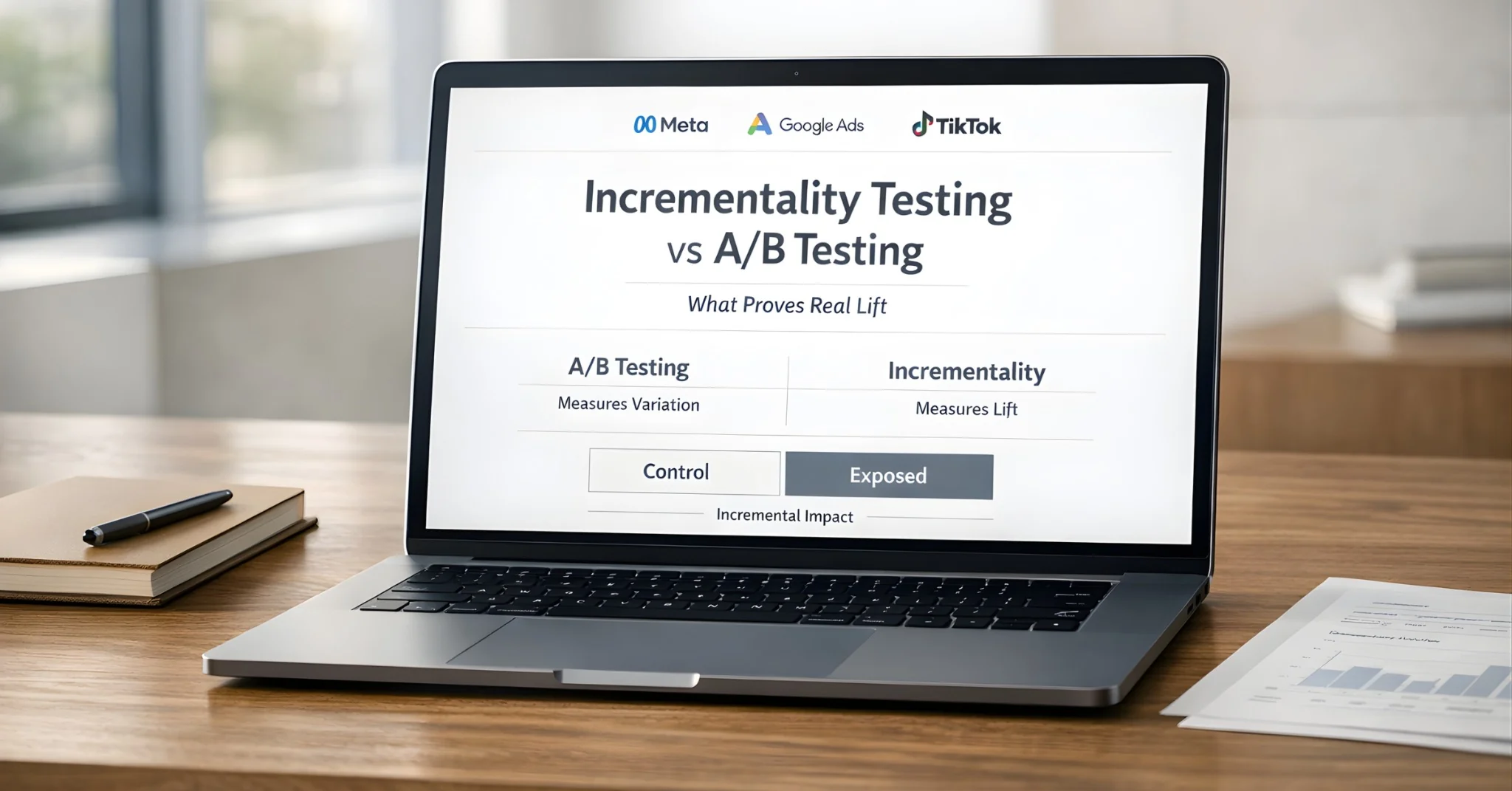
A/B testing tells you which ad creative performs better. Incrementality testing tells you whether your ads caused any additional sales at all. These are fundamentally different questions — and in 2026, 52% of brands are now using incrementality testing to answer the second one.
This guide breaks down when each method matters, how they work together, and the critical prerequisite most marketers skip: clean data.
The Core Difference in 30 Seconds
A/B TESTING VS INCREMENTALITY TESTING
════════════════════════════════════════════════════════════════════════════

    A/B TESTING:

    "Which version of my ad performs better?"

    Test Group A sees Ad Version 1
    Test Group B sees Ad Version 2
    → Measure which gets more clicks/conversions
    → Optimize creative, copy, landing pages

    ─────────────────────────────────────────────────────────────────────────

    INCREMENTALITY TESTING:

    "Did my ads cause sales that wouldn't have happened otherwise?"

    Test Group sees your ads
    Control Group sees NO ads (holdout)
    → Measure the difference in conversions
    → Prove whether your spend actually drives lift

════════════════════════════════════════════════════════════════════════════A/B TESTING VS INCREMENTALITY TESTING
════════════════════════════════════════════════════════════════════════════
A/B TESTING:
"Which version of my ad performs better?"
Test Group A sees Ad Version 1
Test Group B sees Ad Version 2
→ Measure which gets more clicks/conversions
→ Optimize creative, copy, landing pages
─────────────────────────────────────────────────────────────────────────
INCREMENTALITY TESTING:
"Did my ads cause sales that wouldn't have happened otherwise?"
Test Group sees your ads
Control Group sees NO ads (holdout)
→ Measure the difference in conversions
→ Prove whether your spend actually drives lift
════════════════════════════════════════════════════════════════════════════A/B TESTING VS INCREMENTALITY TESTING
════════════════════════════════════════════════════════════════════════════
A/B TESTING:
"Which version of my ad performs better?"
Test Group A sees Ad Version 1
Test Group B sees Ad Version 2
→ Measure which gets more clicks/conversions
→ Optimize creative, copy, landing pages
─────────────────────────────────────────────────────────────────────────
INCREMENTALITY TESTING:
"Did my ads cause sales that wouldn't have happened otherwise?"
Test Group sees your ads
Control Group sees NO ads (holdout)
→ Measure the difference in conversions
→ Prove whether your spend actually drives lift
════════════════════════════════════════════════════════════════════════════A/B testing optimizes what you show. Incrementality testing proves whether showing anything matters at all.
Why This Distinction Matters Now
Every ad platform grades its own homework. Meta claims credit for sales. Google claims credit for the same sales. Your attribution dashboard double-counts constantly.
Incrementality testing sidesteps this entirely. Instead of asking "who gets credit," it asks: "What would have happened if we turned off this channel completely?"
THE INCREMENTALITY QUESTION
════════════════════════════════════════════════════════════════════════════

    SCENARIO: You spend $50,000/month on Meta ads

    ATTRIBUTION SAYS:

    Meta drove 1,500 conversions
    ROAS = 3.2x
    "Keep scaling!"

    ─────────────────────────────────────────────────────────────────────────

    INCREMENTALITY TEST REVEALS:

    Test regions (ads ON):     1,500 conversions
    Control regions (ads OFF): 1,200 conversions

    Incremental lift:          300 conversions (20%)

    → 1,200 would have purchased anyway
    → Your ads only caused 300 additional sales
    → True incremental ROAS: 0.64x

    The campaign looks profitable. It's actually losing money.

════════════════════════════════════════════════════════════════════════════
THE INCREMENTALITY QUESTION
════════════════════════════════════════════════════════════════════════════
SCENARIO: You spend $50,000/month on Meta ads
ATTRIBUTION SAYS:
Meta drove 1,500 conversions
ROAS = 3.2x
"Keep scaling!"
─────────────────────────────────────────────────────────────────────────
INCREMENTALITY TEST REVEALS:
Test regions (ads ON): 1,500 conversions
Control regions (ads OFF): 1,200 conversions
Incremental lift: 300 conversions (20%)
→ 1,200 would have purchased anyway
→ Your ads only caused 300 additional sales
→ True incremental ROAS: 0.64x
The campaign looks profitable. It's actually losing money.
════════════════════════════════════════════════════════════════════════════THE INCREMENTALITY QUESTION
════════════════════════════════════════════════════════════════════════════
SCENARIO: You spend $50,000/month on Meta ads
ATTRIBUTION SAYS:
Meta drove 1,500 conversions
ROAS = 3.2x
"Keep scaling!"
─────────────────────────────────────────────────────────────────────────
INCREMENTALITY TEST REVEALS:
Test regions (ads ON): 1,500 conversions
Control regions (ads OFF): 1,200 conversions
Incremental lift: 300 conversions (20%)
→ 1,200 would have purchased anyway
→ Your ads only caused 300 additional sales
→ True incremental ROAS: 0.64x
The campaign looks profitable. It's actually losing money.
════════════════════════════════════════════════════════════════════════════This is why incrementality testing has gone mainstream. 73% of marketing leaders now consider it essential, up from 41% in 2023.
How A/B Testing Works
A/B testing (also called split testing) compares two versions of something to see which performs better. You change one variable — a headline, image, call-to-action, or landing page — and measure the difference.
A/B TEST STRUCTURE
════════════════════════════════════════════════════════════════════════════

    AUDIENCE:  Split randomly into two equal groups

    ┌─────────────────────────────────────────────────────────────────────┐
    │                                                                     │
    │   GROUP A (50%)              GROUP B (50%)                          │
    │   ─────────────              ─────────────                          │
    │   Sees Version A             Sees Version B                         │
    │   (Original headline)        (New headline)                         │
    │                                                                     │
    │   Conversions: 120           Conversions: 156                       │
    │   CVR: 2.4%                  CVR: 3.1%                              │
    │                                                                     │
    └─────────────────────────────────────────────────────────────────────┘

    RESULT: Version B wins (+30% conversion rate)
    ACTION: Scale Version B across all campaigns

════════════════════════════════════════════════════════════════════════════A/B TEST STRUCTURE
════════════════════════════════════════════════════════════════════════════
AUDIENCE: Split randomly into two equal groups
┌─────────────────────────────────────────────────────────────────────┐
│ │
│ GROUP A (50%) GROUP B (50%) │
│ ───────────── ───────────── │
│ Sees Version A Sees Version B │
│ (Original headline) (New headline) │
│ │
│ Conversions: 120 Conversions: 156 │
│ CVR: 2.4% CVR: 3.1% │
│ │
└─────────────────────────────────────────────────────────────────────┘
RESULT: Version B wins (+30% conversion rate)
ACTION: Scale Version B across all campaigns
════════════════════════════════════════════════════════════════════════════A/B TEST STRUCTURE
════════════════════════════════════════════════════════════════════════════
AUDIENCE: Split randomly into two equal groups
┌─────────────────────────────────────────────────────────────────────┐
│ │
│ GROUP A (50%) GROUP B (50%) │
│ ───────────── ───────────── │
│ Sees Version A Sees Version B │
│ (Original headline) (New headline) │
│ │
│ Conversions: 120 Conversions: 156 │
│ CVR: 2.4% CVR: 3.1% │
│ │
└─────────────────────────────────────────────────────────────────────┘
RESULT: Version B wins (+30% conversion rate)
ACTION: Scale Version B across all campaigns
════════════════════════════════════════════════════════════════════════════A/B testing answers tactical questions: Which subject line gets more opens? Which ad creative drives more clicks? Which landing page converts better?
Best for: Creative optimization, copy testing, landing page improvements, email subject lines, CTA buttons.For the deeper view of structuring these creative-level experiments — frameworks, sample sizing, and decision rules — see a related guide on ad testing.
Timeline: 1-4 weeks depending on traffic volume.
Budget requirement: None beyond existing ad spend.
Warning: The Selection Bias Trap
A/B tests assume random assignment — each group should be identical except for the variable you're testing. But platform algorithms break this assumption.
THE SELECTION BIAS PROBLEM
════════════════════════════════════════════════════════════════════════════

    YOUR A/B TEST SETUP:

    Version A:  Product-focused creative
    Version B:  Lifestyle creative

    ─────────────────────────────────────────────────────────────────────────

    WHAT ACTUALLY HAPPENS:

    Meta's algorithm optimizes delivery for engagement:

    Version A → Shown more to Android users (better tracking = clearer signal)
    Version B → Shown more to iOS users (algorithm experiments here)

    ─────────────────────────────────────────────────────────────────────────

    YOUR RESULT:

    "Version A wins by 25%!"

    BUT: You're not testing creatives — you're testing devices.

    Version A didn't win because of the creative.
    It won because Android users have better tracking visibility.

════════════════════════════════════════════════════════════════════════════
THE SELECTION BIAS PROBLEM
════════════════════════════════════════════════════════════════════════════
YOUR A/B TEST SETUP:
Version A: Product-focused creative
Version B: Lifestyle creative
─────────────────────────────────────────────────────────────────────────
WHAT ACTUALLY HAPPENS:
Meta's algorithm optimizes delivery for engagement:
Version A → Shown more to Android users (better tracking = clearer signal)
Version B → Shown more to iOS users (algorithm experiments here)
─────────────────────────────────────────────────────────────────────────
YOUR RESULT:
"Version A wins by 25%!"
BUT: You're not testing creatives — you're testing devices.
Version A didn't win because of the creative.
It won because Android users have better tracking visibility.
════════════════════════════════════════════════════════════════════════════THE SELECTION BIAS PROBLEM
════════════════════════════════════════════════════════════════════════════
YOUR A/B TEST SETUP:
Version A: Product-focused creative
Version B: Lifestyle creative
─────────────────────────────────────────────────────────────────────────
WHAT ACTUALLY HAPPENS:
Meta's algorithm optimizes delivery for engagement:
Version A → Shown more to Android users (better tracking = clearer signal)
Version B → Shown more to iOS users (algorithm experiments here)
─────────────────────────────────────────────────────────────────────────
YOUR RESULT:
"Version A wins by 25%!"
BUT: You're not testing creatives — you're testing devices.
Version A didn't win because of the creative.
It won because Android users have better tracking visibility.
════════════════════════════════════════════════════════════════════════════The fix: Unified tracking across devices. If your iOS and Android data quality differs significantly (see our iOS Ad Tracking and Browser Pixel Blocking guides), your A/B test isn't a fair fight. Server-side tracking and Conversions API create the level playing field your tests require.
How Incrementality Testing Works
Incrementality testing compares what happens when people see your ads versus when they don't. The most common approach is geographic holdout testing (GeoLift): you run ads in some regions while completely pausing them in similar "control" regions.
INCREMENTALITY TEST STRUCTURE (GEOLIFT)
════════════════════════════════════════════════════════════════════════════

    REGIONS:  Split into test and control groups

    ┌─────────────────────────────────────────────────────────────────────┐
    │                                                                     │
    │   TEST REGIONS               CONTROL REGIONS                        │
    │   ────────────               ───────────────                        │
    │   Ads running normally       Ads completely paused                  │
    │   (Chicago, Miami,           (Denver, Phoenix,                      │
    │    Boston, Seattle)           Atlanta, Dallas)                      │
    │                                                                     │
    │   Revenue: $180,000          Revenue: $145,000                      │
    │                                                                     │
    └─────────────────────────────────────────────────────────────────────┘

    INCREMENTAL LIFT:  $35,000 (24%)

    → $145,000 would have happened without ads
    → Ads caused $35,000 in additional revenue

════════════════════════════════════════════════════════════════════════════
INCREMENTALITY TEST STRUCTURE (GEOLIFT)
════════════════════════════════════════════════════════════════════════════
REGIONS: Split into test and control groups
┌─────────────────────────────────────────────────────────────────────┐
│ │
│ TEST REGIONS CONTROL REGIONS │
│ ──────────── ─────────────── │
│ Ads running normally Ads completely paused │
│ (Chicago, Miami, (Denver, Phoenix, │
│ Boston, Seattle) Atlanta, Dallas) │
│ │
│ Revenue: $180,000 Revenue: $145,000 │
│ │
└─────────────────────────────────────────────────────────────────────┘
INCREMENTAL LIFT: $35,000 (24%)
→ $145,000 would have happened without ads
→ Ads caused $35,000 in additional revenue
════════════════════════════════════════════════════════════════════════════INCREMENTALITY TEST STRUCTURE (GEOLIFT)
════════════════════════════════════════════════════════════════════════════
REGIONS: Split into test and control groups
┌─────────────────────────────────────────────────────────────────────┐
│ │
│ TEST REGIONS CONTROL REGIONS │
│ ──────────── ─────────────── │
│ Ads running normally Ads completely paused │
│ (Chicago, Miami, (Denver, Phoenix, │
│ Boston, Seattle) Atlanta, Dallas) │
│ │
│ Revenue: $180,000 Revenue: $145,000 │
│ │
└─────────────────────────────────────────────────────────────────────┘
INCREMENTAL LIFT: $35,000 (24%)
→ $145,000 would have happened without ads
→ Ads caused $35,000 in additional revenue
════════════════════════════════════════════════════════════════════════════The Evolution: Synthetic Control Methods
Basic GeoLift compares test vs control regions directly. But in 2026, sophisticated brands use Synthetic Control Methods (SCM) — statistical models that build a "synthetic" control from weighted combinations of multiple regions, accounting for seasonality, local events, and baseline differences.
SCM produces tighter confidence intervals and handles the volatility of privacy-era data better than simple holdout comparisons. If your incrementality tool mentions "augmented synthetic control" or "causal lift modeling," it's using this approach.
A Note on Statistical Methods
Traditional A/B testing uses frequentist statistics: you wait for a p-value below 0.05 to declare a winner. But with higher data volatility in 2026 (thanks to privacy restrictions), Bayesian methods are increasingly common.
Instead of "95% confidence," Bayesian models give you Probability of Outperformance — e.g., "87% chance Version B beats Version A." This is more intuitive for decision-making: you can act on an 85% probability rather than waiting weeks for arbitrary statistical thresholds.
Incrementality testing answers strategic questions: Is this channel actually driving new customers? Would these sales happen without my ads? Where should I allocate budget?
Best for: Channel-level budget decisions, proving ROI, validating attribution models.
Timeline: 3-6 weeks for statistical significance.
Budget requirement: Google reduced its minimum from $100,000 to $5,000 in 2025, making this accessible to smaller stores.
The Incremental Lift Formula
INCREMENTAL LIFT CALCULATION
════════════════════════════════════════════════════════════════════════════

                     Test Conversions  -  Control Conversions
    Lift (%)    =   ─────────────────────────────────────────  ×  100
                              Control Conversions

    ─────────────────────────────────────────────────────────────────────────

    EXAMPLE:

    Test regions (ads on):      850 conversions
    Control regions (ads off):  680 conversions

                    850 - 680
    Lift (%)   =   ───────────  ×  100   =   25%
                       680

    → Your ads drove a 25% lift in conversions
    → 680 would have happened anyway (baseline)
    → 170 conversions are truly incremental

════════════════════════════════════════════════════════════════════════════
INCREMENTAL LIFT CALCULATION
════════════════════════════════════════════════════════════════════════════
Test Conversions - Control Conversions
Lift (%) = ───────────────────────────────────────── × 100
Control Conversions
─────────────────────────────────────────────────────────────────────────
EXAMPLE:
Test regions (ads on): 850 conversions
Control regions (ads off): 680 conversions
850 - 680
Lift (%) = ─────────── × 100 = 25%
680
→ Your ads drove a 25% lift in conversions
→ 680 would have happened anyway (baseline)
→ 170 conversions are truly incremental
════════════════════════════════════════════════════════════════════════════INCREMENTAL LIFT CALCULATION
════════════════════════════════════════════════════════════════════════════
Test Conversions - Control Conversions
Lift (%) = ───────────────────────────────────────── × 100
Control Conversions
─────────────────────────────────────────────────────────────────────────
EXAMPLE:
Test regions (ads on): 850 conversions
Control regions (ads off): 680 conversions
850 - 680
Lift (%) = ─────────── × 100 = 25%
680
→ Your ads drove a 25% lift in conversions
→ 680 would have happened anyway (baseline)
→ 170 conversions are truly incremental
════════════════════════════════════════════════════════════════════════════INCREMENTAL ROAS (iROAS) CALCULATION
════════════════════════════════════════════════════════════════════════════
Incremental Revenue
iROAS = ─────────────────────────────
Ad Spend
─────────────────────────────────────────────────────────────────────────
EXAMPLE:
Ad spend (test period): $25,000
Incremental revenue: $45,000
$45,000
iROAS = ───────── = 1.8x
$25,000
─────────────────────────────────────────────────────────────────────────
INTERPRETATION:
iROAS > 1.0 Profitable — ads drive more revenue than they cost
iROAS = 1.0 Breakeven — ads pay for themselves, no profit
iROAS < 1.0 Unprofitable — ads cost more than they generate
Note: This measures TRUE incremental value, not platform-reported ROAS
════════════════════════════════════════════════════════════════════════════INCREMENTAL ROAS (iROAS) CALCULATION
════════════════════════════════════════════════════════════════════════════
Incremental Revenue
iROAS = ─────────────────────────────
Ad Spend
─────────────────────────────────────────────────────────────────────────
EXAMPLE:
Ad spend (test period): $25,000
Incremental revenue: $45,000
$45,000
iROAS = ───────── = 1.8x
$25,000
─────────────────────────────────────────────────────────────────────────
INTERPRETATION:
iROAS > 1.0 Profitable — ads drive more revenue than they cost
iROAS = 1.0 Breakeven — ads pay for themselves, no profit
iROAS < 1.0 Unprofitable — ads cost more than they generate
Note: This measures TRUE incremental value, not platform-reported ROAS
════════════════════════════════════════════════════════════════════════════INCREMENTAL ROAS (iROAS) CALCULATION
════════════════════════════════════════════════════════════════════════════
Incremental Revenue
iROAS = ─────────────────────────────
Ad Spend
─────────────────────────────────────────────────────────────────────────
EXAMPLE:
Ad spend (test period): $25,000
Incremental revenue: $45,000
$45,000
iROAS = ───────── = 1.8x
$25,000
─────────────────────────────────────────────────────────────────────────
INTERPRETATION:
iROAS > 1.0 Profitable — ads drive more revenue than they cost
iROAS = 1.0 Breakeven — ads pay for themselves, no profit
iROAS < 1.0 Unprofitable — ads cost more than they generate
Note: This measures TRUE incremental value, not platform-reported ROAS
════════════════════════════════════════════════════════════════════════════When to Use Each Method
DECISION FRAMEWORK
════════════════════════════════════════════════════════════════════════════

    YOUR QUESTION                              USE THIS METHOD
    ─────────────                              ───────────────

    "Which headline converts better?"          A/B Testing
    "Which ad image drives more clicks?"       A/B Testing
    "Should I use video or static ads?"        A/B Testing
    "Which landing page layout works?"         A/B Testing

    ─────────────────────────────────────────────────────────────────────────

    "Are my Meta ads actually driving         Incrementality
     new customers?"

    "Would these sales happen without         Incrementality
     my ads?"

    "Should I increase or cut my              Incrementality
     TikTok budget?"

    "Is branded search cannibalizing          Incrementality
     organic traffic?"

════════════════════════════════════════════════════════════════════════════
DECISION FRAMEWORK
════════════════════════════════════════════════════════════════════════════
YOUR QUESTION USE THIS METHOD
───────────── ───────────────
"Which headline converts better?" A/B Testing
"Which ad image drives more clicks?" A/B Testing
"Should I use video or static ads?" A/B Testing
"Which landing page layout works?" A/B Testing
─────────────────────────────────────────────────────────────────────────
"Are my Meta ads actually driving Incrementality
new customers?"
"Would these sales happen without Incrementality
my ads?"
"Should I increase or cut my Incrementality
TikTok budget?"
"Is branded search cannibalizing Incrementality
organic traffic?"
════════════════════════════════════════════════════════════════════════════DECISION FRAMEWORK
════════════════════════════════════════════════════════════════════════════
YOUR QUESTION USE THIS METHOD
───────────── ───────────────
"Which headline converts better?" A/B Testing
"Which ad image drives more clicks?" A/B Testing
"Should I use video or static ads?" A/B Testing
"Which landing page layout works?" A/B Testing
─────────────────────────────────────────────────────────────────────────
"Are my Meta ads actually driving Incrementality
new customers?"
"Would these sales happen without Incrementality
my ads?"
"Should I increase or cut my Incrementality
TikTok budget?"
"Is branded search cannibalizing Incrementality
organic traffic?"
════════════════════════════════════════════════════════════════════════════The order matters: Run incrementality first to prove a channel works, then A/B test to optimize within that channel. Testing which creative performs better is pointless if the channel itself isn't driving incremental sales. For the full how-to walkthrough on testing real campaign impact — methods, holdout sizing, and iROAS interpretation — see that guide.
The Branded Search Question: Your First Incrementality Win
Here's the classic incrementality case study — and the easiest place to start:
Are you paying for clicks from people who were going to buy anyway?
Branded search (bidding on your own company name) is the most common source of wasted ad spend. Someone types "YourBrand shoes" into Google. They were already looking for you. But you're paying $1.50 per click for traffic that would have clicked your organic listing for free.
BRANDED SEARCH: THE CANNIBALIZATION TEST
════════════════════════════════════════════════════════════════════════════

    THE QUESTION:

    You spend $8,000/month on branded search.
    Google says it drives 2,400 conversions.
    ROAS looks amazing: 12x.

    But would those people have purchased anyway?

    ─────────────────────────────────────────────────────────────────────────

    THE TEST:

    Turn off branded search in 20% of the country for 4 weeks.
    Compare total sessions and conversions (organic + paid) vs control.

    ─────────────────────────────────────────────────────────────────────────

    COMMON RESULT:

    Test regions (no branded ads):    Total conversions down 3%
    Control regions (branded ads):    Baseline

    → 97% of those conversions would have happened anyway
    → Your $8,000/month is buying 3% lift, not 100%
    → True iROAS: 0.4x (not 12x)

    Potential savings: $6,000-$7,000/month reallocated to prospecting

════════════════════════════════════════════════════════════════════════════
BRANDED SEARCH: THE CANNIBALIZATION TEST
════════════════════════════════════════════════════════════════════════════
THE QUESTION:
You spend $8,000/month on branded search.
Google says it drives 2,400 conversions.
ROAS looks amazing: 12x.
But would those people have purchased anyway?
─────────────────────────────────────────────────────────────────────────
THE TEST:
Turn off branded search in 20% of the country for 4 weeks.
Compare total sessions and conversions (organic + paid) vs control.
─────────────────────────────────────────────────────────────────────────
COMMON RESULT:
Test regions (no branded ads): Total conversions down 3%
Control regions (branded ads): Baseline
→ 97% of those conversions would have happened anyway
→ Your $8,000/month is buying 3% lift, not 100%
→ True iROAS: 0.4x (not 12x)
Potential savings: $6,000-$7,000/month reallocated to prospecting
════════════════════════════════════════════════════════════════════════════BRANDED SEARCH: THE CANNIBALIZATION TEST
════════════════════════════════════════════════════════════════════════════
THE QUESTION:
You spend $8,000/month on branded search.
Google says it drives 2,400 conversions.
ROAS looks amazing: 12x.
But would those people have purchased anyway?
─────────────────────────────────────────────────────────────────────────
THE TEST:
Turn off branded search in 20% of the country for 4 weeks.
Compare total sessions and conversions (organic + paid) vs control.
─────────────────────────────────────────────────────────────────────────
COMMON RESULT:
Test regions (no branded ads): Total conversions down 3%
Control regions (branded ads): Baseline
→ 97% of those conversions would have happened anyway
→ Your $8,000/month is buying 3% lift, not 100%
→ True iROAS: 0.4x (not 12x)
Potential savings: $6,000-$7,000/month reallocated to prospecting
════════════════════════════════════════════════════════════════════════════This is a quick win for most stores. Branded search looks like your best-performing campaign, but incrementality testing often reveals it's cannibalizing organic traffic. The spend can be reallocated to channels that actually acquire new customers.
Where This Fits: Persistence vs Causality
Our previous guides focused on signal persistence — keeping your tracking data alive despite browser blocking and iOS privacy:
THE MEASUREMENT STACK
════════════════════════════════════════════════════════════════════════════

    LAYER 3: CAUSALITY (This Article)
    ══════════════════════════════════════════════════════════════════════

    "Does my marketing actually cause sales?"

    → Incrementality Testing: Proves causal lift
    → A/B Testing: Optimizes within proven channels

    ─────────────────────────────────────────────────────────────────────────

    LAYER 2: PERSISTENCE (iOS + Browser Articles)
    ══════════════════════════════════════════════════════════════════════

    "Is my tracking data surviving long enough to measure?"

    → Server-side tracking: Bypasses browser blocking
    → Conversions API: Recovers iOS-blocked conversions
    → First-party data: Survives cookie deletion

    ─────────────────────────────────────────────────────────────────────────

    LAYER 1: COLLECTION (Foundation)
    ══════════════════════════════════════════════════════════════════════

    "Am I capturing events at all?"

    → Pixel implementation
    → Event setup (ViewContent, AddToCart, Purchase)
    → Data layer configuration

════════════════════════════════════════════════════════════════════════════

    BUILD FROM THE BOTTOM UP:

    Collection without Persistence = Data dies before you can use it
    Persistence without Causality = You see data but can't prove it matters
    Causality without Persistence = Your tests measure incomplete data

    All three layers work together.

════════════════════════════════════════════════════════════════════════════
THE MEASUREMENT STACK
════════════════════════════════════════════════════════════════════════════
LAYER 3: CAUSALITY (This Article)
══════════════════════════════════════════════════════════════════════
"Does my marketing actually cause sales?"
→ Incrementality Testing: Proves causal lift
→ A/B Testing: Optimizes within proven channels
─────────────────────────────────────────────────────────────────────────
LAYER 2: PERSISTENCE (iOS + Browser Articles)
══════════════════════════════════════════════════════════════════════
"Is my tracking data surviving long enough to measure?"
→ Server-side tracking: Bypasses browser blocking
→ Conversions API: Recovers iOS-blocked conversions
→ First-party data: Survives cookie deletion
─────────────────────────────────────────────────────────────────────────
LAYER 1: COLLECTION (Foundation)
══════════════════════════════════════════════════════════════════════
"Am I capturing events at all?"
→ Pixel implementation
→ Event setup (ViewContent, AddToCart, Purchase)
→ Data layer configuration
════════════════════════════════════════════════════════════════════════════
BUILD FROM THE BOTTOM UP:
Collection without Persistence = Data dies before you can use it
Persistence without Causality = You see data but can't prove it matters
Causality without Persistence = Your tests measure incomplete data
All three layers work together.
════════════════════════════════════════════════════════════════════════════THE MEASUREMENT STACK
════════════════════════════════════════════════════════════════════════════
LAYER 3: CAUSALITY (This Article)
══════════════════════════════════════════════════════════════════════
"Does my marketing actually cause sales?"
→ Incrementality Testing: Proves causal lift
→ A/B Testing: Optimizes within proven channels
─────────────────────────────────────────────────────────────────────────
LAYER 2: PERSISTENCE (iOS + Browser Articles)
══════════════════════════════════════════════════════════════════════
"Is my tracking data surviving long enough to measure?"
→ Server-side tracking: Bypasses browser blocking
→ Conversions API: Recovers iOS-blocked conversions
→ First-party data: Survives cookie deletion
─────────────────────────────────────────────────────────────────────────
LAYER 1: COLLECTION (Foundation)
══════════════════════════════════════════════════════════════════════
"Am I capturing events at all?"
→ Pixel implementation
→ Event setup (ViewContent, AddToCart, Purchase)
→ Data layer configuration
════════════════════════════════════════════════════════════════════════════
BUILD FROM THE BOTTOM UP:
Collection without Persistence = Data dies before you can use it
Persistence without Causality = You see data but can't prove it matters
Causality without Persistence = Your tests measure incomplete data
All three layers work together.
════════════════════════════════════════════════════════════════════════════This article completes the picture: once your data is being collected and persisting across sessions, you can finally prove whether your marketing actually causes incremental sales.
The Prerequisite Everyone Skips: Data Quality
Here's what most guides don't tell you: both A/B testing and incrementality testing fail if your tracking is broken.
Browser privacy features, iOS restrictions, and ad blockers now hide 40-60% of conversions from your tracking systems. If your pixel only sees half the data, your test results are half-accurate.
THE DIRTY DATA PROBLEM
════════════════════════════════════════════════════════════════════════════

    YOUR ACTUAL RESULTS:

    Test Group A:     200 actual conversions
    Test Group B:     240 actual conversions

    Winner: Group B (+20%)

    ─────────────────────────────────────────────────────────────────────────

    WHAT YOUR TRACKING SEES (with 45% data loss):

    Test Group A:     110 tracked conversions
    Test Group B:     132 tracked conversions

    → You still see B winning (+20%), but...
    → You're making decisions on 55% of reality
    → Small differences get lost in noise
    → Statistical significance takes 2x longer
    → Edge cases flip the wrong direction

════════════════════════════════════════════════════════════════════════════
THE DIRTY DATA PROBLEM
════════════════════════════════════════════════════════════════════════════
YOUR ACTUAL RESULTS:
Test Group A: 200 actual conversions
Test Group B: 240 actual conversions
Winner: Group B (+20%)
─────────────────────────────────────────────────────────────────────────
WHAT YOUR TRACKING SEES (with 45% data loss):
Test Group A: 110 tracked conversions
Test Group B: 132 tracked conversions
→ You still see B winning (+20%), but...
→ You're making decisions on 55% of reality
→ Small differences get lost in noise
→ Statistical significance takes 2x longer
→ Edge cases flip the wrong direction
════════════════════════════════════════════════════════════════════════════THE DIRTY DATA PROBLEM
════════════════════════════════════════════════════════════════════════════
YOUR ACTUAL RESULTS:
Test Group A: 200 actual conversions
Test Group B: 240 actual conversions
Winner: Group B (+20%)
─────────────────────────────────────────────────────────────────────────
WHAT YOUR TRACKING SEES (with 45% data loss):
Test Group A: 110 tracked conversions
Test Group B: 132 tracked conversions
→ You still see B winning (+20%), but...
→ You're making decisions on 55% of reality
→ Small differences get lost in noise
→ Statistical significance takes 2x longer
→ Edge cases flip the wrong direction
════════════════════════════════════════════════════════════════════════════For incrementality testing, this is even more critical. GeoLift tests compare regions. If tracking varies by region (different iOS adoption rates, different browser usage), your "control" and "test" groups have different data visibility — making the comparison meaningless.
THE GHOST LIFT PROBLEM
════════════════════════════════════════════════════════════════════════════

    YOUR INCREMENTALITY TEST SHOWS:

    Test regions:      850 tracked conversions
    Control regions:   680 tracked conversions
    Apparent lift:     25%

    ─────────────────────────────────────────────────────────────────────────

    BUT IF TEST REGIONS HAVE LOWER iOS PENETRATION:

    Test regions:      850 tracked (of 950 actual) — 89% visibility
    Control regions:   680 tracked (of 900 actual) — 76% visibility

    Actual lift:       5.5% (not 25%)

    → The "lift" is mostly better tracking, not better performance
    → You scale a campaign based on false data

════════════════════════════════════════════════════════════════════════════
THE GHOST LIFT PROBLEM
════════════════════════════════════════════════════════════════════════════
YOUR INCREMENTALITY TEST SHOWS:
Test regions: 850 tracked conversions
Control regions: 680 tracked conversions
Apparent lift: 25%
─────────────────────────────────────────────────────────────────────────
BUT IF TEST REGIONS HAVE LOWER iOS PENETRATION:
Test regions: 850 tracked (of 950 actual) — 89% visibility
Control regions: 680 tracked (of 900 actual) — 76% visibility
Actual lift: 5.5% (not 25%)
→ The "lift" is mostly better tracking, not better performance
→ You scale a campaign based on false data
════════════════════════════════════════════════════════════════════════════THE GHOST LIFT PROBLEM
════════════════════════════════════════════════════════════════════════════
YOUR INCREMENTALITY TEST SHOWS:
Test regions: 850 tracked conversions
Control regions: 680 tracked conversions
Apparent lift: 25%
─────────────────────────────────────────────────────────────────────────
BUT IF TEST REGIONS HAVE LOWER iOS PENETRATION:
Test regions: 850 tracked (of 950 actual) — 89% visibility
Control regions: 680 tracked (of 900 actual) — 76% visibility
Actual lift: 5.5% (not 25%)
→ The "lift" is mostly better tracking, not better performance
→ You scale a campaign based on false data
════════════════════════════════════════════════════════════════════════════Fix tracking before testing. Server-side tracking, Conversions API, and first-party data infrastructure should be in place before running any incrementality experiments. Otherwise, you're measuring ghosts.To walk through this setup with the team — including how to validate tracking quality before launching a GeoLift test — that walkthrough makes the prerequisites concrete.
Combining Both Methods
The most sophisticated marketers use both methods in sequence:
THE MEASUREMENT HIERARCHY
════════════════════════════════════════════════════════════════════════════

    STEP 1: FIX DATA QUALITY
    ────────────────────────

    → Implement server-side tracking
    → Deploy Conversions API
    → Verify Event Match Quality (8.0+)
    → Confirm Shopify ↔ Meta data alignment

    ─────────────────────────────────────────────────────────────────────────

    STEP 2: PROVE CHANNEL VALUE (INCREMENTALITY)
    ────────────────────────────────────────────

    → Run GeoLift test on Meta
    → Measure true incremental lift
    → Calculate iROAS
    → Decide: scale, maintain, or cut

    ─────────────────────────────────────────────────────────────────────────

    STEP 3: OPTIMIZE WITHIN CHANNEL (A/B TESTING)
    ─────────────────────────────────────────────

    → Once channel is proven incremental
    → Test creatives, audiences, landing pages
    → Improve performance within a validated channel

════════════════════════════════════════════════════════════════════════════
THE MEASUREMENT HIERARCHY
════════════════════════════════════════════════════════════════════════════
STEP 1: FIX DATA QUALITY
────────────────────────
→ Implement server-side tracking
→ Deploy Conversions API
→ Verify Event Match Quality (8.0+)
→ Confirm Shopify ↔ Meta data alignment
─────────────────────────────────────────────────────────────────────────
STEP 2: PROVE CHANNEL VALUE (INCREMENTALITY)
────────────────────────────────────────────
→ Run GeoLift test on Meta
→ Measure true incremental lift
→ Calculate iROAS
→ Decide: scale, maintain, or cut
─────────────────────────────────────────────────────────────────────────
STEP 3: OPTIMIZE WITHIN CHANNEL (A/B TESTING)
─────────────────────────────────────────────
→ Once channel is proven incremental
→ Test creatives, audiences, landing pages
→ Improve performance within a validated channel
════════════════════════════════════════════════════════════════════════════THE MEASUREMENT HIERARCHY
════════════════════════════════════════════════════════════════════════════
STEP 1: FIX DATA QUALITY
────────────────────────
→ Implement server-side tracking
→ Deploy Conversions API
→ Verify Event Match Quality (8.0+)
→ Confirm Shopify ↔ Meta data alignment
─────────────────────────────────────────────────────────────────────────
STEP 2: PROVE CHANNEL VALUE (INCREMENTALITY)
────────────────────────────────────────────
→ Run GeoLift test on Meta
→ Measure true incremental lift
→ Calculate iROAS
→ Decide: scale, maintain, or cut
─────────────────────────────────────────────────────────────────────────
STEP 3: OPTIMIZE WITHIN CHANNEL (A/B TESTING)
─────────────────────────────────────────────
→ Once channel is proven incremental
→ Test creatives, audiences, landing pages
→ Improve performance within a validated channel
════════════════════════════════════════════════════════════════════════════Why this order? If you A/B test first, you might optimize a channel that isn't actually driving incremental sales. You'll get a "winner" — but winning at a game that doesn't matter.
Practical Considerations by Budget
TESTING APPROACH BY MONTHLY AD SPEND
════════════════════════════════════════════════════════════════════════════

    $5K - $20K / month
    ──────────────────

    Focus:           A/B testing (creative optimization)
    Incrementality:  Platform-native Conversion Lift (free)
    Priority:        Fix tracking first, test creative second

    ─────────────────────────────────────────────────────────────────────────

    $20K - $50K / month
    ───────────────────

    Focus:           Both methods
    Incrementality:  Meta Conversion Lift + simple GeoLift
    Priority:        Prove Meta/Google value before scaling

    ─────────────────────────────────────────────────────────────────────────

    $50K+ / month
    ─────────────

    Focus:           Full measurement stack
    Incrementality:  Dedicated tools (GeoLift, holdout tests)
    Priority:        iROAS by channel, then optimize within

════════════════════════════════════════════════════════════════════════════
TESTING APPROACH BY MONTHLY AD SPEND
════════════════════════════════════════════════════════════════════════════
$5K - $20K / month
──────────────────
Focus: A/B testing (creative optimization)
Incrementality: Platform-native Conversion Lift (free)
Priority: Fix tracking first, test creative second
─────────────────────────────────────────────────────────────────────────
$20K - $50K / month
───────────────────
Focus: Both methods
Incrementality: Meta Conversion Lift + simple GeoLift
Priority: Prove Meta/Google value before scaling
─────────────────────────────────────────────────────────────────────────
$50K+ / month
─────────────
Focus: Full measurement stack
Incrementality: Dedicated tools (GeoLift, holdout tests)
Priority: iROAS by channel, then optimize within
════════════════════════════════════════════════════════════════════════════TESTING APPROACH BY MONTHLY AD SPEND
════════════════════════════════════════════════════════════════════════════
$5K - $20K / month
──────────────────
Focus: A/B testing (creative optimization)
Incrementality: Platform-native Conversion Lift (free)
Priority: Fix tracking first, test creative second
─────────────────────────────────────────────────────────────────────────
$20K - $50K / month
───────────────────
Focus: Both methods
Incrementality: Meta Conversion Lift + simple GeoLift
Priority: Prove Meta/Google value before scaling
─────────────────────────────────────────────────────────────────────────
$50K+ / month
─────────────
Focus: Full measurement stack
Incrementality: Dedicated tools (GeoLift, holdout tests)
Priority: iROAS by channel, then optimize within
════════════════════════════════════════════════════════════════════════════Once you've proven incremental lift at this spend level, the next move is structured scale. See our AI ad scaling guide for how to translate validated iROAS into Advantage+ and PMax scaling decisions.
Quick-Reference Comparison
A/B TESTING VS INCREMENTALITY: SIDE BY SIDE
════════════════════════════════════════════════════════════════════════════

    ELEMENT              A/B TESTING           INCREMENTALITY
    ───────              ───────────           ─────────────

    Question answered    "Which is better?"    "Does this work at all?"

    What you compare     Two ad versions       Ads vs no ads

    Measures             Relative performance  Causal impact

    Timeline             1-4 weeks             3-6 weeks

    Budget required      Any                   $5K+ (Google minimum)

    Complexity           Low                   Medium-High

    Output               Winner (A or B)       Lift % and iROAS

    Best for             Creative optimization Budget allocation

════════════════════════════════════════════════════════════════════════════A/B TESTING VS INCREMENTALITY: SIDE BY SIDE
════════════════════════════════════════════════════════════════════════════
ELEMENT A/B TESTING INCREMENTALITY
─────── ─────────── ─────────────
Question answered "Which is better?" "Does this work at all?"
What you compare Two ad versions Ads vs no ads
Measures Relative performance Causal impact
Timeline 1-4 weeks 3-6 weeks
Budget required Any $5K+ (Google minimum)
Complexity Low Medium-High
Output Winner (A or B) Lift % and iROAS
Best for Creative optimization Budget allocation
════════════════════════════════════════════════════════════════════════════A/B TESTING VS INCREMENTALITY: SIDE BY SIDE
════════════════════════════════════════════════════════════════════════════
ELEMENT A/B TESTING INCREMENTALITY
─────── ─────────── ─────────────
Question answered "Which is better?" "Does this work at all?"
What you compare Two ad versions Ads vs no ads
Measures Relative performance Causal impact
Timeline 1-4 weeks 3-6 weeks
Budget required Any $5K+ (Google minimum)
Complexity Low Medium-High
Output Winner (A or B) Lift % and iROAS
Best for Creative optimization Budget allocation
════════════════════════════════════════════════════════════════════════════The Bottom Line
A/B testing and incrementality testing answer different questions. Use A/B testing to optimize what you show. Use incrementality testing to prove whether your ads matter at all.
But here's the uncomfortable truth: neither method works without clean data. If 40-60% of conversions are invisible to your tracking, your test results inherit that same blind spot. You're making decisions on incomplete information.
The sequence that works:
Fix your tracking foundation (server-side, CAPI, data alignment)
Prove channel value with incrementality testing
Optimize creative with A/B testing
Without reliable tracking, your A/B test "winner" might be random noise, and your incrementality "lift" might just be better data visibility in one region. Fix the data first — then the tests actually mean something.