You've tested the headlines. Refined the audiences. Adjusted bids daily. Built out negative keyword lists.
Your ROAS is still stuck.
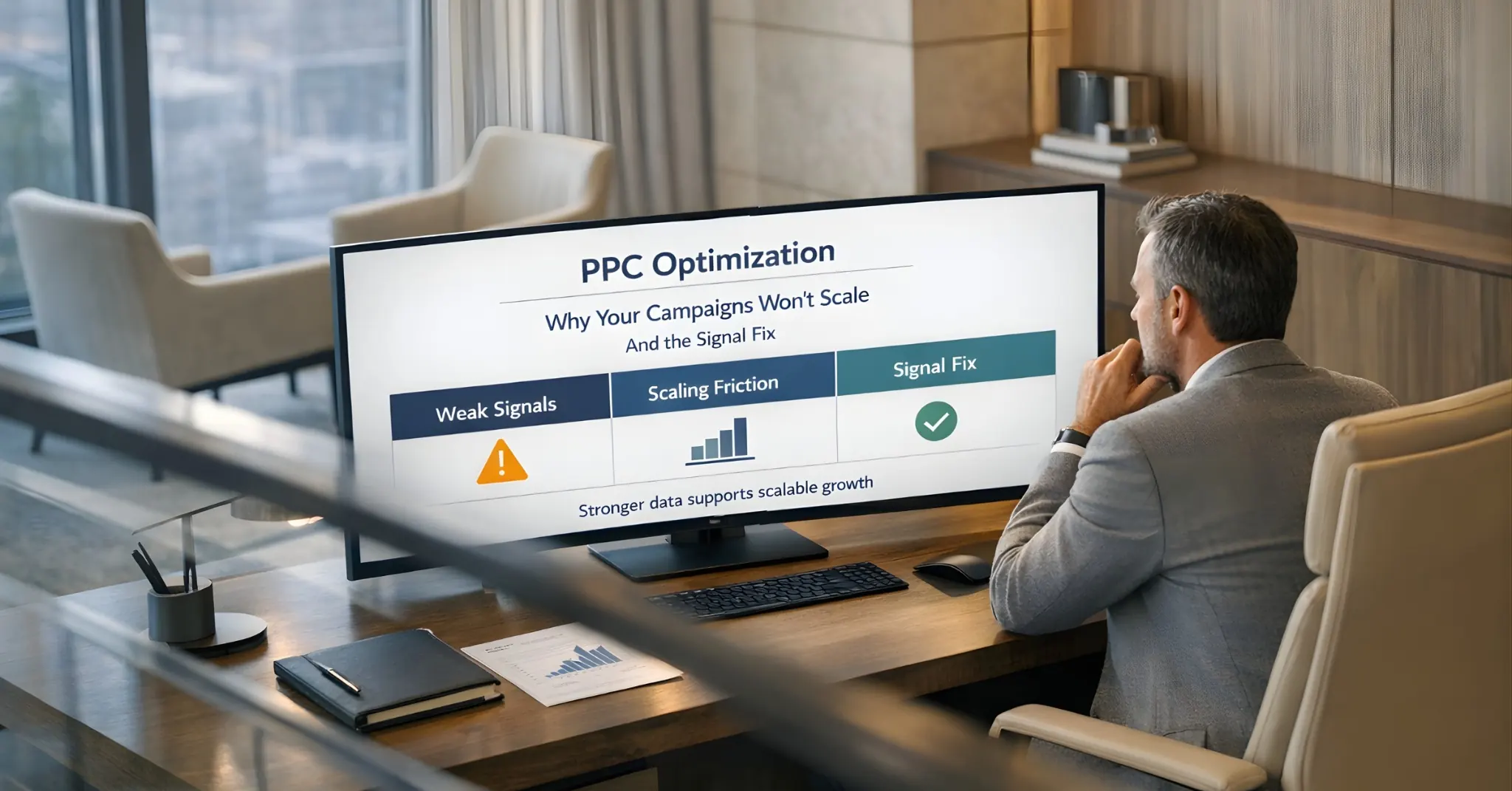
Here's what most PPC guides won't tell you: the optimization tactics aren't the problem. The signal is. Modern PPC platforms are algorithmic machines that learn from conversion data. When 40-60% of that data never reaches them, they're learning from a distorted picture of your customers. They bid wrong. They target wrong. They optimize toward the wrong outcomes.
Before you tweak another bid or test another headline, fix the signal. Everything else is rearranging deck chairs.
The Signal Quality Problem
PPC platforms don't optimize campaigns — algorithms do. And algorithms are only as good as the data they learn from.
HOW SIGNAL LOSS BREAKS PPC OPTIMIZATION
════════════════════════════════════════════════════════════════════════════

    WHAT THE ALGORITHM SEES:
    ────────────────────────
    Ad clicks:          1,000
    Reported conversions:  25
    Calculated CVR:       2.5%

    Algorithm conclusion: "This audience converts at 2.5%.
    Bid accordingly."


    WHAT'S ACTUALLY HAPPENING:
    ──────────────────────────
    Ad clicks:          1,000
    Actual conversions:    50  (25 invisible due to signal loss)
    Real CVR:             5.0%

    Reality: The algorithm is bidding based on HALF
    of your actual performance.

════════════════════════════════════════════════════════════════════════════

    THE DOWNSTREAM EFFECTS:
    ───────────────────────
    • Bids lowered on your best-performing audiences
    • Budget shifted to lower-quality traffic
    • Learning phase extended (not enough conversions)
    • ROAS appears worse than reality
    • Scaling becomes impossible

════════════════════════════════════════════════════════════════════════════
HOW SIGNAL LOSS BREAKS PPC OPTIMIZATION
════════════════════════════════════════════════════════════════════════════

    WHAT THE ALGORITHM SEES:
    ────────────────────────
    Ad clicks:          1,000
    Reported conversions:  25
    Calculated CVR:       2.5%

    Algorithm conclusion: "This audience converts at 2.5%.
    Bid accordingly."


    WHAT'S ACTUALLY HAPPENING:
    ──────────────────────────
    Ad clicks:          1,000
    Actual conversions:    50  (25 invisible due to signal loss)
    Real CVR:             5.0%

    Reality: The algorithm is bidding based on HALF
    of your actual performance.

════════════════════════════════════════════════════════════════════════════

    THE DOWNSTREAM EFFECTS:
    ───────────────────────
    • Bids lowered on your best-performing audiences
    • Budget shifted to lower-quality traffic
    • Learning phase extended (not enough conversions)
    • ROAS appears worse than reality
    • Scaling becomes impossible

════════════════════════════════════════════════════════════════════════════
HOW SIGNAL LOSS BREAKS PPC OPTIMIZATION
════════════════════════════════════════════════════════════════════════════

    WHAT THE ALGORITHM SEES:
    ────────────────────────
    Ad clicks:          1,000
    Reported conversions:  25
    Calculated CVR:       2.5%

    Algorithm conclusion: "This audience converts at 2.5%.
    Bid accordingly."


    WHAT'S ACTUALLY HAPPENING:
    ──────────────────────────
    Ad clicks:          1,000
    Actual conversions:    50  (25 invisible due to signal loss)
    Real CVR:             5.0%

    Reality: The algorithm is bidding based on HALF
    of your actual performance.

════════════════════════════════════════════════════════════════════════════

    THE DOWNSTREAM EFFECTS:
    ───────────────────────
    • Bids lowered on your best-performing audiences
    • Budget shifted to lower-quality traffic
    • Learning phase extended (not enough conversions)
    • ROAS appears worse than reality
    • Scaling becomes impossible

════════════════════════════════════════════════════════════════════════════
Where signal loss comes from:
iOS privacy opt-outs — 75-85% of iPhone users block tracking
Ad blockers — 30-40% of desktop users run them
Browser restrictions — Safari 7-day cookie cap, Firefox blocking by default
Cross-device journeys — Customer clicks on phone, buys on laptop
Consent management — GDPR/CCPA compliance reduces trackable events
When your conversion data is 40-60% incomplete, every optimization decision is based on a distorted sample. You're not optimizing — you're guessing.
The PPC Optimization Hierarchy
Not all optimization levers are equal. Some have 10x the impact of others. Work from the top down.
PPC OPTIMIZATION HIERARCHY
════════════════════════════════════════════════════════════════════════════

    LEVEL 1: SIGNAL FOUNDATION (Fix this first)
    ────────────────────────────────────────────
    Impact: 10x multiplier on everything below

    • Conversion tracking accuracy
    • Server-side event capture
    • Event Match Quality (Meta) / Tag diagnostics (Google)
    • Offline conversion imports

    If your signal is broken, nothing below this matters.


    LEVEL 2: CAMPAIGN STRUCTURE
    ───────────────────────────
    Impact: High — determines how algorithms learn

    • Campaign segmentation (prospecting vs. retargeting)
    • Budget allocation across campaigns
    • Bidding strategy selection
    • Conversion action configuration

    LEVEL 3: TARGETING & AUDIENCES
    ──────────────────────────────
    Impact: Medium-High — controls who sees your ads

    • Audience segmentation
    • Keyword strategy / search intent
    • Exclusions (negative keywords, audience exclusions)
    • Lookalike/similar audience quality


    LEVEL 4: CREATIVE & MESSAGING
    ─────────────────────────────
    Impact: Medium — affects click-through and relevance

    • Ad copy testing
    • Creative formats and assets
    • Landing page alignment
    • Offer and CTA optimization


    LEVEL 5: MICRO-OPTIMIZATIONS
    ────────────────────────────
    Impact: Low — incremental gains only

    • Bid adjustments (device, time, location)
    • Ad scheduling refinements
    • Placement exclusions
    • Minor copy tweaks

════════════════════════════════════════════════════════════════════════════

Most PPC managers spend 80% of their time on Level 4-5.
The biggest gains come from Level 1-2.
PPC OPTIMIZATION HIERARCHY
════════════════════════════════════════════════════════════════════════════

    LEVEL 1: SIGNAL FOUNDATION (Fix this first)
    ────────────────────────────────────────────
    Impact: 10x multiplier on everything below

    • Conversion tracking accuracy
    • Server-side event capture
    • Event Match Quality (Meta) / Tag diagnostics (Google)
    • Offline conversion imports

    If your signal is broken, nothing below this matters.


    LEVEL 2: CAMPAIGN STRUCTURE
    ───────────────────────────
    Impact: High — determines how algorithms learn

    • Campaign segmentation (prospecting vs. retargeting)
    • Budget allocation across campaigns
    • Bidding strategy selection
    • Conversion action configuration

    LEVEL 3: TARGETING & AUDIENCES
    ──────────────────────────────
    Impact: Medium-High — controls who sees your ads

    • Audience segmentation
    • Keyword strategy / search intent
    • Exclusions (negative keywords, audience exclusions)
    • Lookalike/similar audience quality


    LEVEL 4: CREATIVE & MESSAGING
    ─────────────────────────────
    Impact: Medium — affects click-through and relevance

    • Ad copy testing
    • Creative formats and assets
    • Landing page alignment
    • Offer and CTA optimization


    LEVEL 5: MICRO-OPTIMIZATIONS
    ────────────────────────────
    Impact: Low — incremental gains only

    • Bid adjustments (device, time, location)
    • Ad scheduling refinements
    • Placement exclusions
    • Minor copy tweaks

════════════════════════════════════════════════════════════════════════════

Most PPC managers spend 80% of their time on Level 4-5.
The biggest gains come from Level 1-2.
PPC OPTIMIZATION HIERARCHY
════════════════════════════════════════════════════════════════════════════

    LEVEL 1: SIGNAL FOUNDATION (Fix this first)
    ────────────────────────────────────────────
    Impact: 10x multiplier on everything below

    • Conversion tracking accuracy
    • Server-side event capture
    • Event Match Quality (Meta) / Tag diagnostics (Google)
    • Offline conversion imports

    If your signal is broken, nothing below this matters.


    LEVEL 2: CAMPAIGN STRUCTURE
    ───────────────────────────
    Impact: High — determines how algorithms learn

    • Campaign segmentation (prospecting vs. retargeting)
    • Budget allocation across campaigns
    • Bidding strategy selection
    • Conversion action configuration

    LEVEL 3: TARGETING & AUDIENCES
    ──────────────────────────────
    Impact: Medium-High — controls who sees your ads

    • Audience segmentation
    • Keyword strategy / search intent
    • Exclusions (negative keywords, audience exclusions)
    • Lookalike/similar audience quality


    LEVEL 4: CREATIVE & MESSAGING
    ─────────────────────────────
    Impact: Medium — affects click-through and relevance

    • Ad copy testing
    • Creative formats and assets
    • Landing page alignment
    • Offer and CTA optimization


    LEVEL 5: MICRO-OPTIMIZATIONS
    ────────────────────────────
    Impact: Low — incremental gains only

    • Bid adjustments (device, time, location)
    • Ad scheduling refinements
    • Placement exclusions
    • Minor copy tweaks

════════════════════════════════════════════════════════════════════════════

Most PPC managers spend 80% of their time on Level 4-5.
The biggest gains come from Level 1-2.
Choose the right bidding strategy for your goals. For a related guide on AI ad budget optimization that sits on top of bidding strategy selection, see that guide.
The Black Box Reality
In 2026, the highest-performing campaign types are black boxes. Google Performance Max (PMax) and Meta Advantage+ don't let you manually control targeting, placements, or bids. The algorithm decides everything.
This changes what optimization means:
BLACK BOX CAMPAIGNS: YOUR ONLY LEVERS
════════════════════════════════════════════════════════════════════════════

    WHAT YOU CAN'T CONTROL:
    ───────────────────────
    • Targeting (algorithm chooses audiences)
    • Placements (algorithm chooses where ads appear)
    • Bids (algorithm sets bid amounts)
    • Budget distribution (algorithm allocates spend)


    WHAT YOU CAN CONTROL:
    ─────────────────────

    1. SIGNAL — The conversion data you feed the algorithm
       ├── Tracking accuracy (are conversions reaching the platform?)
       ├── Conversion type (purchase vs. add-to-cart vs. lead)
       └── Value data (revenue, profit, or LTV per conversion)

    2. CREATIVE — The assets the algorithm uses
       ├── Headlines, descriptions, images, videos
       ├── Creative diversity (angles, hooks, formats)
       └── Landing page experience

    3. GUARDRAILS — The boundaries you set
       ├── Budget caps
       ├── ROAS/CPA targets
       └── Audience exclusions (existing customers, etc.)

════════════════════════════════════════════════════════════════════════════

    THE IMPLICATION:
    ────────────────
    With black box campaigns, Signal quality isn't just important —
    it's your PRIMARY optimization lever. If the algorithm is learning
    from 60% of your conversions, it will optimize toward a distorted
    picture of your best customers.

════════════════════════════════════════════════════════════════════════════
BLACK BOX CAMPAIGNS: YOUR ONLY LEVERS
════════════════════════════════════════════════════════════════════════════

    WHAT YOU CAN'T CONTROL:
    ───────────────────────
    • Targeting (algorithm chooses audiences)
    • Placements (algorithm chooses where ads appear)
    • Bids (algorithm sets bid amounts)
    • Budget distribution (algorithm allocates spend)


    WHAT YOU CAN CONTROL:
    ─────────────────────

    1. SIGNAL — The conversion data you feed the algorithm
       ├── Tracking accuracy (are conversions reaching the platform?)
       ├── Conversion type (purchase vs. add-to-cart vs. lead)
       └── Value data (revenue, profit, or LTV per conversion)

    2. CREATIVE — The assets the algorithm uses
       ├── Headlines, descriptions, images, videos
       ├── Creative diversity (angles, hooks, formats)
       └── Landing page experience

    3. GUARDRAILS — The boundaries you set
       ├── Budget caps
       ├── ROAS/CPA targets
       └── Audience exclusions (existing customers, etc.)

════════════════════════════════════════════════════════════════════════════

    THE IMPLICATION:
    ────────────────
    With black box campaigns, Signal quality isn't just important —
    it's your PRIMARY optimization lever. If the algorithm is learning
    from 60% of your conversions, it will optimize toward a distorted
    picture of your best customers.

════════════════════════════════════════════════════════════════════════════
BLACK BOX CAMPAIGNS: YOUR ONLY LEVERS
════════════════════════════════════════════════════════════════════════════

    WHAT YOU CAN'T CONTROL:
    ───────────────────────
    • Targeting (algorithm chooses audiences)
    • Placements (algorithm chooses where ads appear)
    • Bids (algorithm sets bid amounts)
    • Budget distribution (algorithm allocates spend)


    WHAT YOU CAN CONTROL:
    ─────────────────────

    1. SIGNAL — The conversion data you feed the algorithm
       ├── Tracking accuracy (are conversions reaching the platform?)
       ├── Conversion type (purchase vs. add-to-cart vs. lead)
       └── Value data (revenue, profit, or LTV per conversion)

    2. CREATIVE — The assets the algorithm uses
       ├── Headlines, descriptions, images, videos
       ├── Creative diversity (angles, hooks, formats)
       └── Landing page experience

    3. GUARDRAILS — The boundaries you set
       ├── Budget caps
       ├── ROAS/CPA targets
       └── Audience exclusions (existing customers, etc.)

════════════════════════════════════════════════════════════════════════════

    THE IMPLICATION:
    ────────────────
    With black box campaigns, Signal quality isn't just important —
    it's your PRIMARY optimization lever. If the algorithm is learning
    from 60% of your conversions, it will optimize toward a distorted
    picture of your best customers.

════════════════════════════════════════════════════════════════════════════
This is why fixing signal comes before everything else. In the black box era, you don't optimize campaigns — you optimize the inputs the algorithm learns from.
Level 1: Fix Your Signal
Before optimizing anything else, audit your tracking accuracy.
PPC SIGNAL AUDIT
════════════════════════════════════════════════════════════════════════════

    STEP 1: Calculate Tracking Accuracy
    ────────────────────────────────────

                        Platform-Reported Conversions
    Tracking Accuracy = ─────────────────────────────── × 100
                        Backend-Confirmed Conversions


    Example (Last 30 Days):
    ───────────────────────
    Google Ads reports:      180 purchases
    Shopify backend shows:   320 purchases

                              180
    Tracking Accuracy     =  ───── × 100  =  56%
                              320

    You're missing 44% of your conversion data.


    BENCHMARK RANGES:
    ─────────────────
    85-100%     Excellent — algorithms have clean signal
    70-84%      Acceptable — some learning degradation
    50-69%      Problem — significant optimization blind spots
    Below 50%   Critical — algorithms are learning wrong patterns

════════════════════════════════════════════════════════════════════════════
PPC SIGNAL AUDIT
════════════════════════════════════════════════════════════════════════════

    STEP 1: Calculate Tracking Accuracy
    ────────────────────────────────────

                        Platform-Reported Conversions
    Tracking Accuracy = ─────────────────────────────── × 100
                        Backend-Confirmed Conversions


    Example (Last 30 Days):
    ───────────────────────
    Google Ads reports:      180 purchases
    Shopify backend shows:   320 purchases

                              180
    Tracking Accuracy     =  ───── × 100  =  56%
                              320

    You're missing 44% of your conversion data.


    BENCHMARK RANGES:
    ─────────────────
    85-100%     Excellent — algorithms have clean signal
    70-84%      Acceptable — some learning degradation
    50-69%      Problem — significant optimization blind spots
    Below 50%   Critical — algorithms are learning wrong patterns

════════════════════════════════════════════════════════════════════════════
PPC SIGNAL AUDIT
════════════════════════════════════════════════════════════════════════════

    STEP 1: Calculate Tracking Accuracy
    ────────────────────────────────────

                        Platform-Reported Conversions
    Tracking Accuracy = ─────────────────────────────── × 100
                        Backend-Confirmed Conversions


    Example (Last 30 Days):
    ───────────────────────
    Google Ads reports:      180 purchases
    Shopify backend shows:   320 purchases

                              180
    Tracking Accuracy     =  ───── × 100  =  56%
                              320

    You're missing 44% of your conversion data.


    BENCHMARK RANGES:
    ─────────────────
    85-100%     Excellent — algorithms have clean signal
    70-84%      Acceptable — some learning degradation
    50-69%      Problem — significant optimization blind spots
    Below 50%   Critical — algorithms are learning wrong patterns

════════════════════════════════════════════════════════════════════════════
Platform-specific signal checks:
Platform | Signal Metric | Target | Where to Check |
|---|---|---|---|
Meta | Event Match Quality (EMQ) | 8.0+ | Events Manager → Data Sources |
Tag diagnostics | All green | Google Ads → Tools → Data Manager | |
TikTok | Event match rate | 80%+ | Events Manager → Web Events |
If your signal is below threshold, fix it before any other optimization work. Server-side tracking captures conversions that browser pixels miss, recovering 30-50% of lost signal.Server-side tracking captures conversions that browser pixels miss, recovering 30-50% of lost signal. To review the setup in a live demo on an account similar to yours, that walkthrough covers tracking accuracy, EMQ, and value-based bidding signal flow end-to-end.
Level 2: Campaign Structure
With clean signal, structure determines how efficiently algorithms learn.
CAMPAIGN STRUCTURE FRAMEWORK
════════════════════════════════════════════════════════════════════════════

    PROSPECTING vs. RETARGETING SPLIT:
    ───────────────────────────────────

    PROSPECTING (Cold traffic)
    ├── Broad audiences / interest targeting
    ├── Lookalike audiences (1-5%)
    ├── Value-based bidding (maximize value)
    └── Budget: 60-70% of spend

    RETARGETING (Warm traffic)
    ├── Site visitors (segmented by intent)
    ├── Cart abandoners
    ├── Email list matches
    └── Budget: 30-40% of spend


    BIDDING STRATEGY SELECTION:
    ───────────────────────────

    GOAL                    STRATEGY                WHEN TO USE
    ────                    ────────                ───────────

    Maximize volume         Target CPA              Stable conversion data,
                                                    predictable costs

    Maximize value          Target ROAS             High AOV variance,
                                                    need profit focus

    Learning phase          Maximize conversions    New campaigns,
                                                    building signal

    Scale existing          Value-based bidding     Strong signal,
                                                    ready to scale

════════════════════════════════════════════════════════════════════════════
CAMPAIGN STRUCTURE FRAMEWORK
════════════════════════════════════════════════════════════════════════════

    PROSPECTING vs. RETARGETING SPLIT:
    ───────────────────────────────────

    PROSPECTING (Cold traffic)
    ├── Broad audiences / interest targeting
    ├── Lookalike audiences (1-5%)
    ├── Value-based bidding (maximize value)
    └── Budget: 60-70% of spend

    RETARGETING (Warm traffic)
    ├── Site visitors (segmented by intent)
    ├── Cart abandoners
    ├── Email list matches
    └── Budget: 30-40% of spend


    BIDDING STRATEGY SELECTION:
    ───────────────────────────

    GOAL                    STRATEGY                WHEN TO USE
    ────                    ────────                ───────────

    Maximize volume         Target CPA              Stable conversion data,
                                                    predictable costs

    Maximize value          Target ROAS             High AOV variance,
                                                    need profit focus

    Learning phase          Maximize conversions    New campaigns,
                                                    building signal

    Scale existing          Value-based bidding     Strong signal,
                                                    ready to scale

════════════════════════════════════════════════════════════════════════════
CAMPAIGN STRUCTURE FRAMEWORK
════════════════════════════════════════════════════════════════════════════

    PROSPECTING vs. RETARGETING SPLIT:
    ───────────────────────────────────

    PROSPECTING (Cold traffic)
    ├── Broad audiences / interest targeting
    ├── Lookalike audiences (1-5%)
    ├── Value-based bidding (maximize value)
    └── Budget: 60-70% of spend

    RETARGETING (Warm traffic)
    ├── Site visitors (segmented by intent)
    ├── Cart abandoners
    ├── Email list matches
    └── Budget: 30-40% of spend


    BIDDING STRATEGY SELECTION:
    ───────────────────────────

    GOAL                    STRATEGY                WHEN TO USE
    ────                    ────────                ───────────

    Maximize volume         Target CPA              Stable conversion data,
                                                    predictable costs

    Maximize value          Target ROAS             High AOV variance,
                                                    need profit focus

    Learning phase          Maximize conversions    New campaigns,
                                                    building signal

    Scale existing          Value-based bidding     Strong signal,
                                                    ready to scale

════════════════════════════════════════════════════════════════════════════
Value-Based Bidding: Find the Whales, Not the Minnows
Standard bidding strategies treat all conversions as equal. A $50 order counts the same as a $500 order. Value-based bidding (VBB) fixes this by telling the algorithm which customers are actually valuable.
VALUE-BASED BIDDING
════════════════════════════════════════════════════════════════════════════

    STANDARD BIDDING:
    ─────────────────
    You send: "A conversion happened"
    Algorithm learns: "Find more people who convert"
    Result: Mix of high-value and low-value customers


    VALUE-BASED BIDDING:
    ────────────────────
    You send: "A conversion happened worth $X"
    Algorithm learns: "Find more people who convert at high value"
    Result: More whales, fewer minnows


    ADVANCED VBB (The 2026 Power Move):
    ────────────────────────────────────
    Instead of sending REVENUE, send PROFIT or LTV:

    • Revenue: $100 order
    • Profit: $35 margin (after COGS, shipping)
    • LTV: $280 predicted lifetime value

    When you send profit or LTV, the algorithm optimizes for
    customers who are actually profitable — not just customers
    who place large orders with high return rates.

════════════════════════════════════════════════════════════════════════════

    HOW TO IMPLEMENT:
    ─────────────────
    1. Calculate profit per order (revenue - COGS - shipping - fees)
    2. Send profit as conversion value instead of revenue
    3. Set Target ROAS based on profit margins, not revenue

    OR

    1. Calculate predicted LTV per customer segment
    2. Send LTV as conversion value for first purchase
    3. Let algorithm find customers with highest lifetime potential

════════════════════════════════════════════════════════════════════════════
VALUE-BASED BIDDING
════════════════════════════════════════════════════════════════════════════

    STANDARD BIDDING:
    ─────────────────
    You send: "A conversion happened"
    Algorithm learns: "Find more people who convert"
    Result: Mix of high-value and low-value customers


    VALUE-BASED BIDDING:
    ────────────────────
    You send: "A conversion happened worth $X"
    Algorithm learns: "Find more people who convert at high value"
    Result: More whales, fewer minnows


    ADVANCED VBB (The 2026 Power Move):
    ────────────────────────────────────
    Instead of sending REVENUE, send PROFIT or LTV:

    • Revenue: $100 order
    • Profit: $35 margin (after COGS, shipping)
    • LTV: $280 predicted lifetime value

    When you send profit or LTV, the algorithm optimizes for
    customers who are actually profitable — not just customers
    who place large orders with high return rates.

════════════════════════════════════════════════════════════════════════════

    HOW TO IMPLEMENT:
    ─────────────────
    1. Calculate profit per order (revenue - COGS - shipping - fees)
    2. Send profit as conversion value instead of revenue
    3. Set Target ROAS based on profit margins, not revenue

    OR

    1. Calculate predicted LTV per customer segment
    2. Send LTV as conversion value for first purchase
    3. Let algorithm find customers with highest lifetime potential

════════════════════════════════════════════════════════════════════════════
VALUE-BASED BIDDING
════════════════════════════════════════════════════════════════════════════

    STANDARD BIDDING:
    ─────────────────
    You send: "A conversion happened"
    Algorithm learns: "Find more people who convert"
    Result: Mix of high-value and low-value customers


    VALUE-BASED BIDDING:
    ────────────────────
    You send: "A conversion happened worth $X"
    Algorithm learns: "Find more people who convert at high value"
    Result: More whales, fewer minnows


    ADVANCED VBB (The 2026 Power Move):
    ────────────────────────────────────
    Instead of sending REVENUE, send PROFIT or LTV:

    • Revenue: $100 order
    • Profit: $35 margin (after COGS, shipping)
    • LTV: $280 predicted lifetime value

    When you send profit or LTV, the algorithm optimizes for
    customers who are actually profitable — not just customers
    who place large orders with high return rates.

════════════════════════════════════════════════════════════════════════════

    HOW TO IMPLEMENT:
    ─────────────────
    1. Calculate profit per order (revenue - COGS - shipping - fees)
    2. Send profit as conversion value instead of revenue
    3. Set Target ROAS based on profit margins, not revenue

    OR

    1. Calculate predicted LTV per customer segment
    2. Send LTV as conversion value for first purchase
    3. Let algorithm find customers with highest lifetime potential

════════════════════════════════════════════════════════════════════════════
Let algorithm find customers with highest lifetime potential. To see pricing options for the server-side infrastructure that makes profit/LTV value-based bidding viable at scale, that page covers per-event volume tiers.Value-based bidding requires accurate conversion tracking and value data. Fix your signal first, then upgrade to VBB for the next level of optimization.
Common structure mistakes:
Over-segmentation — Too many campaigns with too little data each. Algorithms need volume to learn.
Mixing cold and warm — Retargeting converts easier, skewing learning for prospecting.
Wrong conversion action — Optimizing for add-to-cart when you need purchases.
Budget caps too tight — Daily budgets that prevent campaigns from exiting learning phase.
Level 3: Targeting & Audiences
Targeting controls who sees your ads. Poor targeting wastes budget on low-intent traffic.
AUDIENCE QUALITY HIERARCHY
════════════════════════════════════════════════════════════════════════════

    HIGHEST INTENT (Lowest CPAs)
    ────────────────────────────
    1. Cart abandoners (24-48 hours)
    2. Product viewers (7 days)
    3. Site visitors (14 days)
    4. Email subscribers / customers


    MEDIUM INTENT
    ─────────────
    5. Engaged video viewers (75%+)
    6. Social engagers (30-60 days)
    7. Lookalikes of purchasers (1-2%)
    8. Lookalikes of high-LTV customers


    LOWER INTENT (Higher CPAs, but scale)
    ─────────────────────────────────────
    9. Broader lookalikes (3-5%)
    10. Interest-based targeting
    11. Broad/open targeting (algorithm-led)

════════════════════════════════════════════════════════════════════════════

    KEYWORD INTENT TIERS (Google/Bing):
    ────────────────────────────────────

    HIGH INTENT          MEDIUM INTENT        LOW INTENT
    ───────────          ─────────────        ──────────

    "buy [product]"      "[product] reviews"  "[category] ideas"
    "[brand] discount"   "best [product]"     "how to [problem]"
    "[product] free      "[product] vs        "[topic] guide"
     shipping"            [competitor]"

════════════════════════════════════════════════════════════════════════════
AUDIENCE QUALITY HIERARCHY
════════════════════════════════════════════════════════════════════════════

    HIGHEST INTENT (Lowest CPAs)
    ────────────────────────────
    1. Cart abandoners (24-48 hours)
    2. Product viewers (7 days)
    3. Site visitors (14 days)
    4. Email subscribers / customers


    MEDIUM INTENT
    ─────────────
    5. Engaged video viewers (75%+)
    6. Social engagers (30-60 days)
    7. Lookalikes of purchasers (1-2%)
    8. Lookalikes of high-LTV customers


    LOWER INTENT (Higher CPAs, but scale)
    ─────────────────────────────────────
    9. Broader lookalikes (3-5%)
    10. Interest-based targeting
    11. Broad/open targeting (algorithm-led)

════════════════════════════════════════════════════════════════════════════

    KEYWORD INTENT TIERS (Google/Bing):
    ────────────────────────────────────

    HIGH INTENT          MEDIUM INTENT        LOW INTENT
    ───────────          ─────────────        ──────────

    "buy [product]"      "[product] reviews"  "[category] ideas"
    "[brand] discount"   "best [product]"     "how to [problem]"
    "[product] free      "[product] vs        "[topic] guide"
     shipping"            [competitor]"

════════════════════════════════════════════════════════════════════════════
AUDIENCE QUALITY HIERARCHY
════════════════════════════════════════════════════════════════════════════

    HIGHEST INTENT (Lowest CPAs)
    ────────────────────────────
    1. Cart abandoners (24-48 hours)
    2. Product viewers (7 days)
    3. Site visitors (14 days)
    4. Email subscribers / customers


    MEDIUM INTENT
    ─────────────
    5. Engaged video viewers (75%+)
    6. Social engagers (30-60 days)
    7. Lookalikes of purchasers (1-2%)
    8. Lookalikes of high-LTV customers


    LOWER INTENT (Higher CPAs, but scale)
    ─────────────────────────────────────
    9. Broader lookalikes (3-5%)
    10. Interest-based targeting
    11. Broad/open targeting (algorithm-led)

════════════════════════════════════════════════════════════════════════════

    KEYWORD INTENT TIERS (Google/Bing):
    ────────────────────────────────────

    HIGH INTENT          MEDIUM INTENT        LOW INTENT
    ───────────          ─────────────        ──────────

    "buy [product]"      "[product] reviews"  "[category] ideas"
    "[brand] discount"   "best [product]"     "how to [problem]"
    "[product] free      "[product] vs        "[topic] guide"
     shipping"            [competitor]"

════════════════════════════════════════════════════════════════════════════
Targeting optimization tactics:
Exclude converters — Don't pay to reach people who already bought
Layer exclusions — Remove low-quality placements, irrelevant interests
Refresh lookalikes — Rebuild from recent purchasers quarterly
Negative keywords — Aggressive pruning of non-converting search terms
Level 4: Creative & Messaging
Creative affects click-through rate and relevance scores. But it only matters after Levels 1-3 are solid.
High-impact creative principles:
Message match — Ad copy should align exactly with landing page headline
Specificity beats cleverness — "Free shipping over $50" outperforms "Great deals await"
Social proof in ads — Star ratings, review counts, customer quotes
Clear CTA — Tell people exactly what to do next
CREATIVE TESTING FRAMEWORK
════════════════════════════════════════════════════════════════════════════

    TEST PRIORITY (Highest impact first):
    ─────────────────────────────────────

    1. HOOK / HEADLINE
       First thing seen. Biggest impact on CTR.
       Test: Problem vs. benefit vs. curiosity

    2. OFFER
       What's in it for them?
       Test: Discount vs. free shipping vs. bundle

    3. FORMAT
       How the message is delivered.
       Test: Image vs. video vs. carousel

    4. CTA
       What action to take.
       Test: "Shop now" vs. "Get yours" vs. "See details"

    5. BODY COPY
       Supporting details.
       Test: Short vs. long, features vs. benefits


    TESTING RULES:
    ──────────────
    • One variable at a time
    • Minimum 1,000 impressions per variant
    • Statistical significance before declaring winner
    • Roll out winners, iterate on losers

════════════════════════════════════════════════════════════════════════════
CREATIVE TESTING FRAMEWORK
════════════════════════════════════════════════════════════════════════════

    TEST PRIORITY (Highest impact first):
    ─────────────────────────────────────

    1. HOOK / HEADLINE
       First thing seen. Biggest impact on CTR.
       Test: Problem vs. benefit vs. curiosity

    2. OFFER
       What's in it for them?
       Test: Discount vs. free shipping vs. bundle

    3. FORMAT
       How the message is delivered.
       Test: Image vs. video vs. carousel

    4. CTA
       What action to take.
       Test: "Shop now" vs. "Get yours" vs. "See details"

    5. BODY COPY
       Supporting details.
       Test: Short vs. long, features vs. benefits


    TESTING RULES:
    ──────────────
    • One variable at a time
    • Minimum 1,000 impressions per variant
    • Statistical significance before declaring winner
    • Roll out winners, iterate on losers

════════════════════════════════════════════════════════════════════════════
CREATIVE TESTING FRAMEWORK
════════════════════════════════════════════════════════════════════════════

    TEST PRIORITY (Highest impact first):
    ─────────────────────────────────────

    1. HOOK / HEADLINE
       First thing seen. Biggest impact on CTR.
       Test: Problem vs. benefit vs. curiosity

    2. OFFER
       What's in it for them?
       Test: Discount vs. free shipping vs. bundle

    3. FORMAT
       How the message is delivered.
       Test: Image vs. video vs. carousel

    4. CTA
       What action to take.
       Test: "Shop now" vs. "Get yours" vs. "See details"

    5. BODY COPY
       Supporting details.
       Test: Short vs. long, features vs. benefits


    TESTING RULES:
    ──────────────
    • One variable at a time
    • Minimum 1,000 impressions per variant
    • Statistical significance before declaring winner
    • Roll out winners, iterate on losers

════════════════════════════════════════════════════════════════════════════
Platform-Specific Optimization
Google and Meta optimize differently. Tailor your approach.
GOOGLE ADS vs. META ADS OPTIMIZATION
════════════════════════════════════════════════════════════════════════════

    GOOGLE ADS:
    ───────────

    Primary lever:        Keywords and search intent
    Algorithm behavior:   Matches search queries to ads
    Signal priority:      Conversion tracking, keyword relevance

    Key optimizations:
    • Aggressive negative keyword management
    • Match type strategy (broad + negatives vs. exact)
    • Search term report mining
    • Quality Score improvement (relevance, landing page)

    Common mistakes:
    • Over-reliance on broad match without negatives
    • Ignoring search term reports
    • Too many ad groups with thin data


    META ADS:
    ─────────

    Primary lever:        Audience signals and creative
    Algorithm behavior:   Finds users likely to convert
    Signal priority:      Conversion data volume, EMQ score

    Key optimizations:
    • Advantage+ campaigns for scale
    • Creative diversity (formats, angles, hooks)
    • EMQ improvement (server-side tracking, enrichment)
    • New vs. returning customer signals

    Common mistakes:
    • Over-segmentation (too many ad sets)
    • Creative fatigue (not refreshing assets)
    • Poor signal quality degrading learning

════════════════════════════════════════════════════════════════════════════
GOOGLE ADS vs. META ADS OPTIMIZATION
════════════════════════════════════════════════════════════════════════════

    GOOGLE ADS:
    ───────────

    Primary lever:        Keywords and search intent
    Algorithm behavior:   Matches search queries to ads
    Signal priority:      Conversion tracking, keyword relevance

    Key optimizations:
    • Aggressive negative keyword management
    • Match type strategy (broad + negatives vs. exact)
    • Search term report mining
    • Quality Score improvement (relevance, landing page)

    Common mistakes:
    • Over-reliance on broad match without negatives
    • Ignoring search term reports
    • Too many ad groups with thin data


    META ADS:
    ─────────

    Primary lever:        Audience signals and creative
    Algorithm behavior:   Finds users likely to convert
    Signal priority:      Conversion data volume, EMQ score

    Key optimizations:
    • Advantage+ campaigns for scale
    • Creative diversity (formats, angles, hooks)
    • EMQ improvement (server-side tracking, enrichment)
    • New vs. returning customer signals

    Common mistakes:
    • Over-segmentation (too many ad sets)
    • Creative fatigue (not refreshing assets)
    • Poor signal quality degrading learning

════════════════════════════════════════════════════════════════════════════
GOOGLE ADS vs. META ADS OPTIMIZATION
════════════════════════════════════════════════════════════════════════════

    GOOGLE ADS:
    ───────────

    Primary lever:        Keywords and search intent
    Algorithm behavior:   Matches search queries to ads
    Signal priority:      Conversion tracking, keyword relevance

    Key optimizations:
    • Aggressive negative keyword management
    • Match type strategy (broad + negatives vs. exact)
    • Search term report mining
    • Quality Score improvement (relevance, landing page)

    Common mistakes:
    • Over-reliance on broad match without negatives
    • Ignoring search term reports
    • Too many ad groups with thin data


    META ADS:
    ─────────

    Primary lever:        Audience signals and creative
    Algorithm behavior:   Finds users likely to convert
    Signal priority:      Conversion data volume, EMQ score

    Key optimizations:
    • Advantage+ campaigns for scale
    • Creative diversity (formats, angles, hooks)
    • EMQ improvement (server-side tracking, enrichment)
    • New vs. returning customer signals

    Common mistakes:
    • Over-segmentation (too many ad sets)
    • Creative fatigue (not refreshing assets)
    • Poor signal quality degrading learning

════════════════════════════════════════════════════════════════════════════
Measuring PPC Optimization Success
Track the metrics that actually predict profitability.
PPC PERFORMANCE METRICS
════════════════════════════════════════════════════════════════════════════

    PRIMARY METRICS (Business outcomes):
    ────────────────────────────────────
    • ROAS — Revenue ÷ Ad Spend
    • CPA — Cost per Acquisition
    • Contribution Margin — After ad costs, COGS, shipping
    • MER — Total Revenue ÷ Total Ad Spend (blended)


    DIAGNOSTIC METRICS (Optimization signals):
    ──────────────────────────────────────────
    • CTR — Click-through rate (ad relevance)
    • CVR — Conversion rate (landing page + offer)
    • CPM — Cost per 1,000 impressions (auction competition)
    • Frequency — Ad fatigue indicator


    SIGNAL QUALITY METRICS:
    ───────────────────────
    • Tracking Accuracy — Platform vs. backend conversions
    • EMQ Score — Meta's Event Match Quality (target 8.0+)
    • Conversion lag — Time between click and conversion
    • Attribution match — Platform vs. actual revenue

════════════════════════════════════════════════════════════════════════════

    THE ROAS TRAP:
    ──────────────
    Platform-reported ROAS is often inflated by over-attribution.

    Always reconcile against backend revenue:

                    Backend Revenue from Channel
    True ROAS   =  ──────────────────────────────
                    Total Ad Spend

════════════════════════════════════════════════════════════════════════════
PPC PERFORMANCE METRICS
════════════════════════════════════════════════════════════════════════════

    PRIMARY METRICS (Business outcomes):
    ────────────────────────────────────
    • ROAS — Revenue ÷ Ad Spend
    • CPA — Cost per Acquisition
    • Contribution Margin — After ad costs, COGS, shipping
    • MER — Total Revenue ÷ Total Ad Spend (blended)


    DIAGNOSTIC METRICS (Optimization signals):
    ──────────────────────────────────────────
    • CTR — Click-through rate (ad relevance)
    • CVR — Conversion rate (landing page + offer)
    • CPM — Cost per 1,000 impressions (auction competition)
    • Frequency — Ad fatigue indicator


    SIGNAL QUALITY METRICS:
    ───────────────────────
    • Tracking Accuracy — Platform vs. backend conversions
    • EMQ Score — Meta's Event Match Quality (target 8.0+)
    • Conversion lag — Time between click and conversion
    • Attribution match — Platform vs. actual revenue

════════════════════════════════════════════════════════════════════════════

    THE ROAS TRAP:
    ──────────────
    Platform-reported ROAS is often inflated by over-attribution.

    Always reconcile against backend revenue:

                    Backend Revenue from Channel
    True ROAS   =  ──────────────────────────────
                    Total Ad Spend

════════════════════════════════════════════════════════════════════════════
PPC PERFORMANCE METRICS
════════════════════════════════════════════════════════════════════════════

    PRIMARY METRICS (Business outcomes):
    ────────────────────────────────────
    • ROAS — Revenue ÷ Ad Spend
    • CPA — Cost per Acquisition
    • Contribution Margin — After ad costs, COGS, shipping
    • MER — Total Revenue ÷ Total Ad Spend (blended)


    DIAGNOSTIC METRICS (Optimization signals):
    ──────────────────────────────────────────
    • CTR — Click-through rate (ad relevance)
    • CVR — Conversion rate (landing page + offer)
    • CPM — Cost per 1,000 impressions (auction competition)
    • Frequency — Ad fatigue indicator


    SIGNAL QUALITY METRICS:
    ───────────────────────
    • Tracking Accuracy — Platform vs. backend conversions
    • EMQ Score — Meta's Event Match Quality (target 8.0+)
    • Conversion lag — Time between click and conversion
    • Attribution match — Platform vs. actual revenue

════════════════════════════════════════════════════════════════════════════

    THE ROAS TRAP:
    ──────────────
    Platform-reported ROAS is often inflated by over-attribution.

    Always reconcile against backend revenue:

                    Backend Revenue from Channel
    True ROAS   =  ──────────────────────────────
                    Total Ad Spend

════════════════════════════════════════════════════════════════════════════
Common PPC Optimization Mistakes
Avoid these patterns that silently drain budget:
PPC OPTIMIZATION MISTAKES (RANKED BY COST)
════════════════════════════════════════════════════════════════════════════

    CRITICAL (Fix immediately):
    ───────────────────────────

    1. OPTIMIZING WITH BROKEN TRACKING
       If you're missing 40-60% of conversions, every decision
       is based on incomplete data. The algorithm learns wrong
       patterns and optimizes toward wrong outcomes.

       Fix: Audit tracking accuracy before any optimization work.


    2. PLATFORM-REPORTED ROAS AS TRUTH
       Platforms over-attribute conversions. Meta and Google both
       claim credit for the same sale. Your "4x ROAS" might be
       2.5x in reality.

       Fix: Reconcile against actual backend revenue weekly.


    HIGH COST (Fix soon):
    ─────────────────────

    3. OVER-SEGMENTATION
       Too many campaigns with too little data. Each campaign
       needs 50+ conversions per week for stable learning.

       Fix: Consolidate until you have volume.


    4. IGNORING LEARNING PHASE
       Making changes before campaigns exit learning resets
       the algorithm. It needs 50 conversions over 7 days.

       Fix: Patience. No major changes during learning.


    THE HANDS-OFF RULE (Critical):
    ──────────────────────────────
    Every time you do ANY of these, you reset the 7-day learning clock:

    • Change budget by more than 20%
    • Swap or pause a creative asset
    • Change bidding strategy or target
    • Add or remove audience segments
    • Modify conversion actions

    RESULT: The algorithm starts learning from scratch. Again.

    The most common mistake in 2026 is "optimization impatience."
    You check the dashboard, see underwhelming results on Day 3,
    and start tweaking. Those tweaks reset learning. You check
    again on Day 5, tweak again. Repeat forever.

    THE FIX: After launching or making major changes, set a
    calendar reminder for 7-10 days out. Don't touch the
    campaign until then. Let the algorithm learn.


    5. SAME STRATEGY ACROSS PLATFORMS
       Google is intent-based (keywords). Meta is audience-based
       (creative + signal). They optimize differently.

       Fix: Platform-specific playbooks.


    MODERATE COST (Fix when stable):
    ─────────────────────────────────

    6. CHASING MICRO-OPTIMIZATIONS
       Bid adjustments and ad scheduling tweaks when structure
       and signal are broken.

       Fix: Hierarchy first. Micro-optimizations last.

════════════════════════════════════════════════════════════════════════════
PPC OPTIMIZATION MISTAKES (RANKED BY COST)
════════════════════════════════════════════════════════════════════════════

    CRITICAL (Fix immediately):
    ───────────────────────────

    1. OPTIMIZING WITH BROKEN TRACKING
       If you're missing 40-60% of conversions, every decision
       is based on incomplete data. The algorithm learns wrong
       patterns and optimizes toward wrong outcomes.

       Fix: Audit tracking accuracy before any optimization work.


    2. PLATFORM-REPORTED ROAS AS TRUTH
       Platforms over-attribute conversions. Meta and Google both
       claim credit for the same sale. Your "4x ROAS" might be
       2.5x in reality.

       Fix: Reconcile against actual backend revenue weekly.


    HIGH COST (Fix soon):
    ─────────────────────

    3. OVER-SEGMENTATION
       Too many campaigns with too little data. Each campaign
       needs 50+ conversions per week for stable learning.

       Fix: Consolidate until you have volume.


    4. IGNORING LEARNING PHASE
       Making changes before campaigns exit learning resets
       the algorithm. It needs 50 conversions over 7 days.

       Fix: Patience. No major changes during learning.


    THE HANDS-OFF RULE (Critical):
    ──────────────────────────────
    Every time you do ANY of these, you reset the 7-day learning clock:

    • Change budget by more than 20%
    • Swap or pause a creative asset
    • Change bidding strategy or target
    • Add or remove audience segments
    • Modify conversion actions

    RESULT: The algorithm starts learning from scratch. Again.

    The most common mistake in 2026 is "optimization impatience."
    You check the dashboard, see underwhelming results on Day 3,
    and start tweaking. Those tweaks reset learning. You check
    again on Day 5, tweak again. Repeat forever.

    THE FIX: After launching or making major changes, set a
    calendar reminder for 7-10 days out. Don't touch the
    campaign until then. Let the algorithm learn.


    5. SAME STRATEGY ACROSS PLATFORMS
       Google is intent-based (keywords). Meta is audience-based
       (creative + signal). They optimize differently.

       Fix: Platform-specific playbooks.


    MODERATE COST (Fix when stable):
    ─────────────────────────────────

    6. CHASING MICRO-OPTIMIZATIONS
       Bid adjustments and ad scheduling tweaks when structure
       and signal are broken.

       Fix: Hierarchy first. Micro-optimizations last.

════════════════════════════════════════════════════════════════════════════
PPC OPTIMIZATION MISTAKES (RANKED BY COST)
════════════════════════════════════════════════════════════════════════════

    CRITICAL (Fix immediately):
    ───────────────────────────

    1. OPTIMIZING WITH BROKEN TRACKING
       If you're missing 40-60% of conversions, every decision
       is based on incomplete data. The algorithm learns wrong
       patterns and optimizes toward wrong outcomes.

       Fix: Audit tracking accuracy before any optimization work.


    2. PLATFORM-REPORTED ROAS AS TRUTH
       Platforms over-attribute conversions. Meta and Google both
       claim credit for the same sale. Your "4x ROAS" might be
       2.5x in reality.

       Fix: Reconcile against actual backend revenue weekly.


    HIGH COST (Fix soon):
    ─────────────────────

    3. OVER-SEGMENTATION
       Too many campaigns with too little data. Each campaign
       needs 50+ conversions per week for stable learning.

       Fix: Consolidate until you have volume.


    4. IGNORING LEARNING PHASE
       Making changes before campaigns exit learning resets
       the algorithm. It needs 50 conversions over 7 days.

       Fix: Patience. No major changes during learning.


    THE HANDS-OFF RULE (Critical):
    ──────────────────────────────
    Every time you do ANY of these, you reset the 7-day learning clock:

    • Change budget by more than 20%
    • Swap or pause a creative asset
    • Change bidding strategy or target
    • Add or remove audience segments
    • Modify conversion actions

    RESULT: The algorithm starts learning from scratch. Again.

    The most common mistake in 2026 is "optimization impatience."
    You check the dashboard, see underwhelming results on Day 3,
    and start tweaking. Those tweaks reset learning. You check
    again on Day 5, tweak again. Repeat forever.

    THE FIX: After launching or making major changes, set a
    calendar reminder for 7-10 days out. Don't touch the
    campaign until then. Let the algorithm learn.


    5. SAME STRATEGY ACROSS PLATFORMS
       Google is intent-based (keywords). Meta is audience-based
       (creative + signal). They optimize differently.

       Fix: Platform-specific playbooks.


    MODERATE COST (Fix when stable):
    ─────────────────────────────────

    6. CHASING MICRO-OPTIMIZATIONS
       Bid adjustments and ad scheduling tweaks when structure
       and signal are broken.

       Fix: Hierarchy first. Micro-optimizations last.

════════════════════════════════════════════════════════════════════════════
The Bottom Line
PPC optimization in the algorithmic era isn't about manual knob-turning. It's about giving machines the right signals, structure, and creative to learn effectively. The platforms are doing the bidding, targeting, and optimization — your job is to feed them clean data and clear direction.
The hierarchy matters:
Signal first — If 40-60% of conversions are invisible, nothing else works. Fix tracking accuracy before any other optimization. Server-side tracking recovers what pixels miss.
Structure second — Campaign architecture determines how efficiently algorithms learn. Separate prospecting from retargeting. Choose the right bidding strategy for your goals.
Targeting third — Control who sees your ads and at what intent level. Work from highest intent (cart abandoners) to lowest (broad targeting).
Creative fourth — Test systematically with clear priority: hook, then offer, then format, then CTA. But only after the foundation is solid.
Micro-optimizations last — Bid tweaks, ad scheduling, and placement refinements are incremental at best. They don't fix broken fundamentals.
Most PPC managers spend 80% of their time on the bottom two levels. The brands that scale profitably spend 80% on the top two. For AI-driven Shopify ad scaling that compounds these PPC fundamentals into automated scaling, see that guide.
The algorithms are smarter than ever. But they're only as good as the data they learn from. Fix the signal. Then optimize. In that order.
Get Started
Start Tracking Every Sale Today
Join 10+ e-commerce stores. Set up in 5 minutes, see results in days.